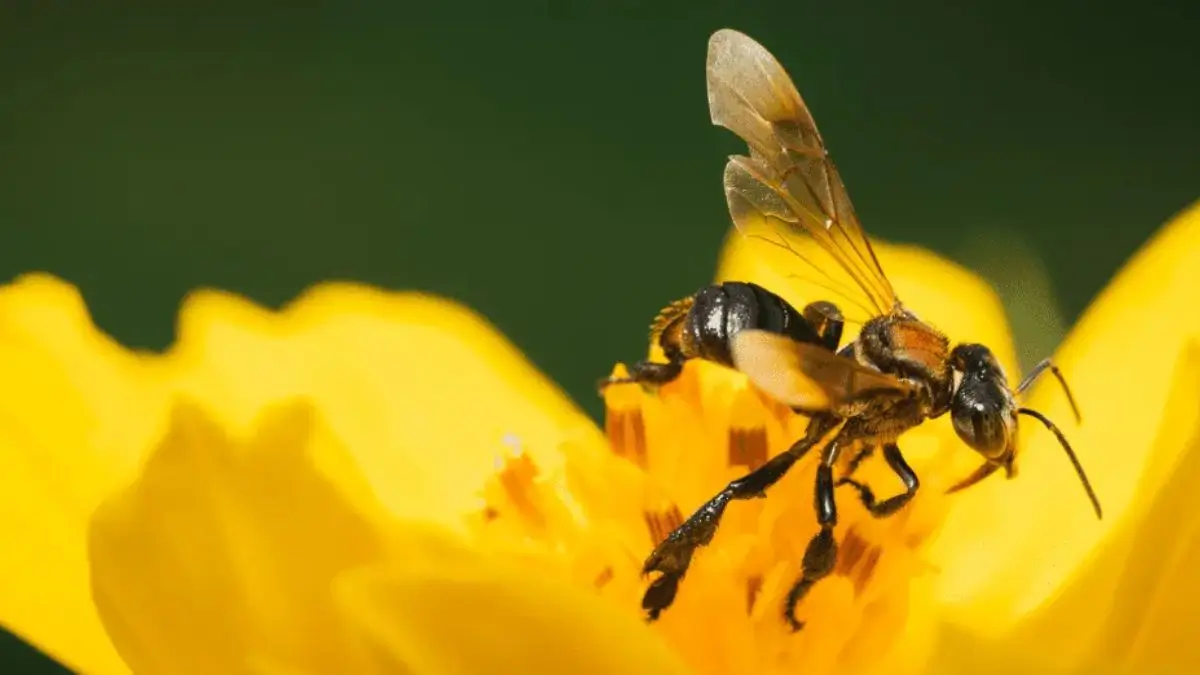
In a historic development for environmental law and biodiversity conservation, stingless bees native to the Peruvian region of the Amazon rainforest have become the first insects in the world to be granted legal rights. According to a report by The Guardian, these bees have been formally recognized as legal entities with the right to exist and flourish, setting a global precedent for the protection of insects and ecosystems.
Unlike their European counterparts, these Amazonian bees do not have a sting. They belong to a group of highly social, native pollinators that have lived in the rainforest for centuries, playing a crucial role in maintaining ecological balance. Their pollination activity supports a wide range of plant species, including many that are essential for forest regeneration and local food systems.
The legal recognition emerged from a court ruling linked to environmental protection efforts in Peru’s Amazon region. By granting rights to the bees, the decision acknowledges their intrinsic value beyond their usefulness to humans. The ruling aligns with the broader “rights of nature” movement, which argues that ecosystems and living beings should have legal standing to protect them from exploitation and environmental harm.
Conservationists say this move is particularly significant at a time when insect populations worldwide are declining at alarming rates. Habitat destruction, pesticide use, climate change, and deforestation have placed immense pressure on pollinators, including bees. In the Amazon, illegal logging, mining, and agricultural expansion threaten the delicate ecosystems these stingless bees depend on for survival.
By recognizing the bees’ right to exist and flourish, the ruling could strengthen legal tools to challenge activities that harm their habitat. Environmental groups believe it may pave the way for future cases protecting other species, especially those that are small, overlooked, or traditionally excluded from conservation frameworks.
Stingless bees also hold cultural and economic importance for Indigenous communities in the Amazon. For generations, local tribes have practiced meliponiculture—the sustainable keeping of stingless bees—for honey, medicine, and rituals. The court’s recognition indirectly supports these traditional practices by reinforcing the need to preserve both the species and the ecosystems they inhabit.
Legal experts note that while enforcing such rights will be complex, the symbolic and legal impact is profound. Granting rights to insects challenges conventional human-centered legal systems and encourages a more holistic view of environmental protection, where humans are seen as part of nature rather than separate from it.
The decision has drawn international attention, with environmentalists hailing it as a groundbreaking step toward rethinking conservation laws. While it remains to be seen how widely this approach will be adopted, the recognition of stingless Amazon bees as rights-bearing entities marks a turning point in the global conversation on biodiversity protection.
As environmental threats intensify worldwide, this landmark ruling from Peru may inspire other nations to consider stronger legal protections for the smallest yet most essential contributors to life on Earth.
Note: Content and images are for informational use only. For any concerns, contact us at info@rajasthaninews.com.

Previous Post

Next Post
"इको-फ्रेंडली इनोवेश...
Related Post