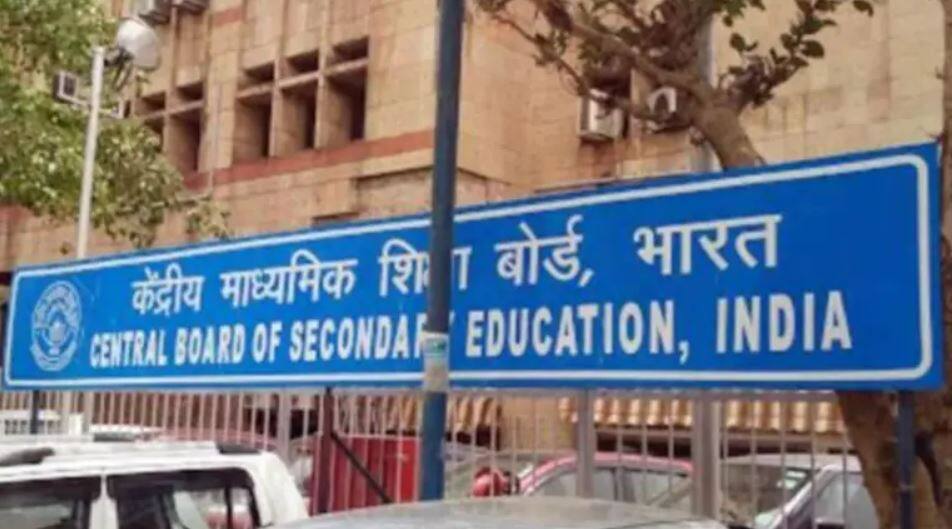
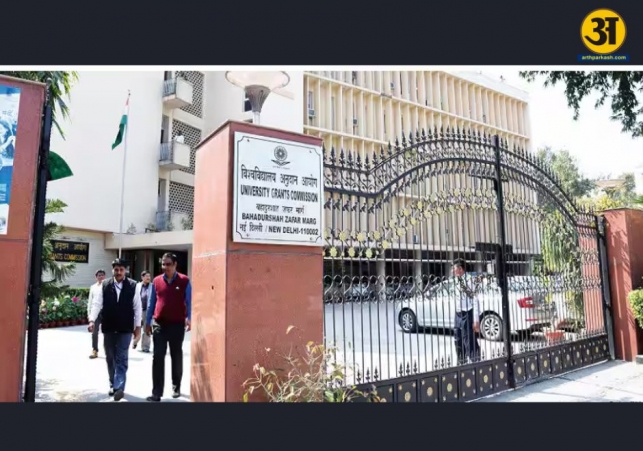
The University Grants Commission (UGC) has notified a new set of regulations aimed at curbing caste-based discrimination in higher education institutions across India. The move marks a significant step toward strengthening safeguards for students and staff belonging to historically marginalised communities, with universities and colleges now facing the risk of losing recognition if they fail to comply with the rules.
Under the new regulations, higher education institutions are required to take strict measures to prevent discrimination against Scheduled Castes (SCs), Scheduled Tribes (STs), Other Backward Classes (OBCs), and other vulnerable groups. The UGC has made it clear that violations of these norms will invite serious consequences, including withdrawal of institutional recognition and other regulatory action.
One of the key changes in the final rules is the inclusion of OBCs within their ambit. In the draft version of the regulations, OBCs were excluded, a move that drew widespread criticism from academics, student organisations, and social justice groups. Responding to the backlash, the UGC revised the framework to ensure that OBC students and staff receive equal protection under the anti-discrimination mechanism.
The regulations mandate the creation of dedicated anti-discrimination committees in all higher education institutions. These committees will be responsible for receiving complaints, conducting inquiries, and recommending corrective action. Institutions must also appoint senior officers to oversee compliance and ensure that complaints are addressed in a time-bound and transparent manner.
Another notable change is the UGC’s decision to drop the proposal that sought to impose penalties for filing false or malicious complaints. The provision had raised concerns that it could discourage victims of discrimination from coming forward due to fear of punishment. By removing this clause, the commission has sought to reassure students and employees that they can report discrimination without intimidation or undue risk.
The UGC has also emphasised the need for sensitisation and awareness programmes within institutions. Universities and colleges are expected to conduct regular workshops and training sessions for faculty, non-teaching staff, and students to promote inclusivity and awareness of caste-related issues. These measures are intended to create a more supportive and equitable academic environment.
The new rules come amid recurring concerns over caste-based discrimination and student suicides in higher education institutions. Over the years, several cases have highlighted systemic issues related to bias, exclusion, and lack of grievance redressal mechanisms. The UGC’s regulations aim to address these gaps by placing greater accountability on institutional leadership.
Education experts have welcomed the move, noting that strong enforcement will be key to the effectiveness of the regulations. They argue that the threat of losing recognition could compel institutions to take complaints seriously and implement structural reforms rather than treating anti-discrimination measures as a formality.
With these new rules, the UGC has signalled a tougher stance on caste discrimination in higher education. If implemented effectively, the regulations could play a crucial role in ensuring dignity, equality, and justice for students and staff across India’s universities and colleges.

Note: Content and images are for informational use only. For any concerns, contact us at info@rajasthaninews.com.

Previous Post
Next Post
"हाईकोर्ट ने प्राइव...
Related Post