
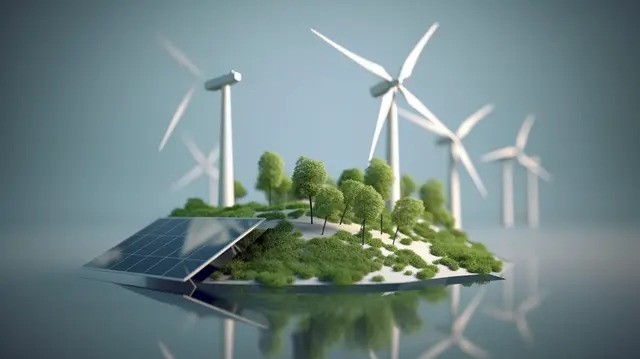
Global efforts to address climate change and environmental degradation have received a significant boost with major funding commitments for biodiversity conservation and fresh developments in clean energy. These initiatives reflect a growing recognition that protecting ecosystems and accelerating the transition to renewable energy must go hand in hand to ensure long-term environmental and economic sustainability.
Biodiversity funding has emerged as a critical priority as scientists warn of accelerating species loss and ecosystem collapse. Forests, wetlands, coral reefs, and grasslands play a vital role in regulating climate, supporting food systems, and sustaining livelihoods. The newly announced funding aims to strengthen conservation programs, restore degraded habitats, and protect endangered species across key biodiversity hotspots. It also focuses on empowering local communities, who are often the frontline custodians of natural resources, through sustainable livelihood initiatives and conservation-linked employment.
A significant portion of the funding is expected to be directed toward scientific research, monitoring, and data collection. Improved biodiversity data will help policymakers track ecosystem health, identify threats early, and design more effective conservation strategies. Experts say this evidence-based approach is essential to reverse biodiversity loss and meet global targets set under international agreements.
Alongside biodiversity protection, developments in clean energy are gaining momentum as countries push to reduce carbon emissions and lessen dependence on fossil fuels. Investments in solar, wind, green hydrogen, and energy storage technologies are expanding rapidly, supported by policy incentives and falling technology costs. These developments are not only crucial for climate mitigation but also for energy security and economic growth.
Clean energy projects are increasingly being designed with environmental considerations in mind, minimizing ecological impact while maximizing efficiency. For example, newer renewable installations incorporate biodiversity safeguards, such as wildlife-friendly wind turbine designs and solar parks that allow vegetation growth underneath panels. This integrated approach highlights the growing alignment between conservation goals and energy transition strategies.
Economically, the combined push for biodiversity funding and clean energy development is expected to generate substantial employment opportunities. From conservation scientists and forest managers to renewable energy engineers and technicians, the green economy is emerging as a major driver of job creation. Analysts note that investments in nature-based solutions and clean energy often deliver higher long-term returns compared to traditional infrastructure projects.
However, experts caution that funding alone is not enough. Effective implementation, transparency, and accountability are critical to ensure that resources reach intended projects and communities. Coordination between governments, private investors, researchers, and civil society will play a key role in translating financial commitments into measurable environmental outcomes.
In conclusion, major funding for biodiversity and advancements in clean energy signal a positive shift toward a more sustainable development model. By simultaneously protecting natural ecosystems and accelerating the clean energy transition, these initiatives address the interconnected challenges of climate change, ecological loss, and economic resilience. If implemented effectively, they could mark a decisive step toward a greener and more balanced future.
Note: Content and images are for informational use only. For any concerns, contact us at info@rajasthaninews.com.

Previous Post

Next Post
"इको-फ्रेंडली इनोवेश...
Related Post