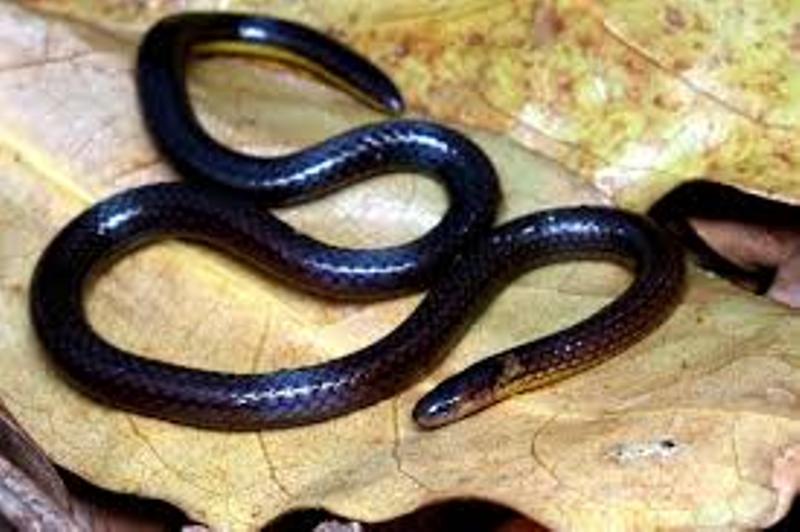
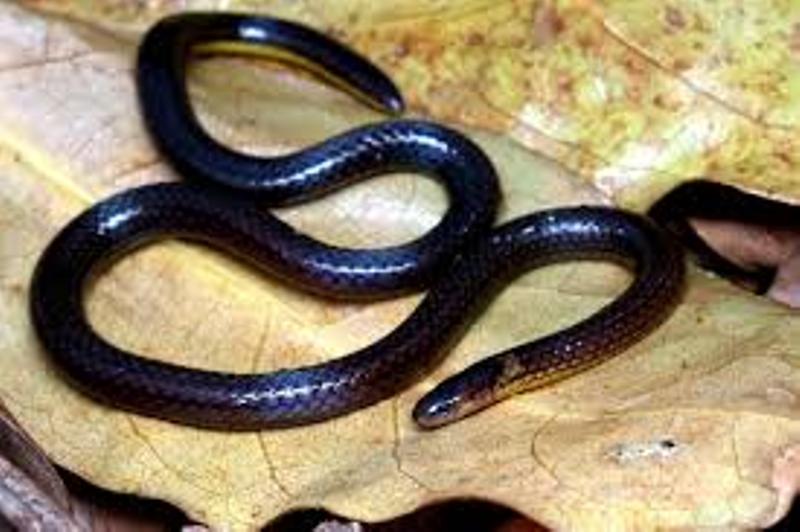
Scientists have discovered a previously unknown species of snake in the northeastern Indian state of Mizoram, highlighting once again the region’s extraordinary biodiversity and its importance as a hotspot for scientific exploration. The finding adds to India’s growing list of newly identified reptile species and underscores how much of the country’s wildlife remains undocumented.
The discovery was made during detailed field surveys conducted by a team of researchers specialising in herpetology, the study of reptiles and amphibians. The snake was identified through a combination of morphological examination and comparative analysis with known species, which confirmed that it did not match any previously described snake in scientific literature.
According to the researchers, the newly discovered species has been found across multiple locations in Mizoram, suggesting that it is not narrowly restricted to a single habitat. This relatively wide distribution played a key role in the team’s tentative assessment of the species as ‘Least Concern’ under the International Union for Conservation of Nature (IUCN) Red List criteria. The assessment also noted the absence of any immediate or major threats to its survival.
Mizoram lies within the Indo-Burma biodiversity hotspot, one of the most biologically rich yet least studied regions in the world. Dense forests, varied terrain, and a humid climate create ideal conditions for a wide range of flora and fauna, including many species that are still unknown to science. Over the past decade, the Northeast has emerged as a key region for new discoveries, particularly of reptiles, amphibians, and insects.
The researchers emphasised that while the snake is currently considered at low risk, continued monitoring is essential. Changes in land use, infrastructure development, and climate patterns could pose future threats if not carefully managed. Accurate documentation and early conservation assessment are therefore critical to ensuring long-term protection.
The discovery also highlights the importance of systematic field research. Many snake species are elusive, nocturnal, or inhabit difficult terrain, making them easy to overlook. Advances in taxonomic methods and increased survey efforts have significantly improved scientists’ ability to distinguish new species from closely related ones.
Experts say such findings strengthen the case for greater investment in biodiversity research and conservation in Northeast India. Local ecosystems not only support rare wildlife but also play a crucial role in maintaining ecological balance, supporting livelihoods, and contributing to climate resilience.
Beyond its scientific value, the discovery has educational and conservation implications. Identifying new species helps improve understanding of evolutionary relationships and ecosystem health, while also informing policymakers about regions that may require stronger environmental safeguards.
The newly discovered snake serves as a reminder that even in the 21st century, nature continues to surprise scientists. As research in Mizoram and the wider Northeast continues, experts believe more such discoveries are likely—reinforcing the region’s status as one of India’s most important frontiers for biodiversity science.
Note: Content and images are for informational use only. For any concerns, contact us at info@rajasthaninews.com.

Previous Post

Next Post
"इको-फ्रेंडली इनोवेश...
Related Post