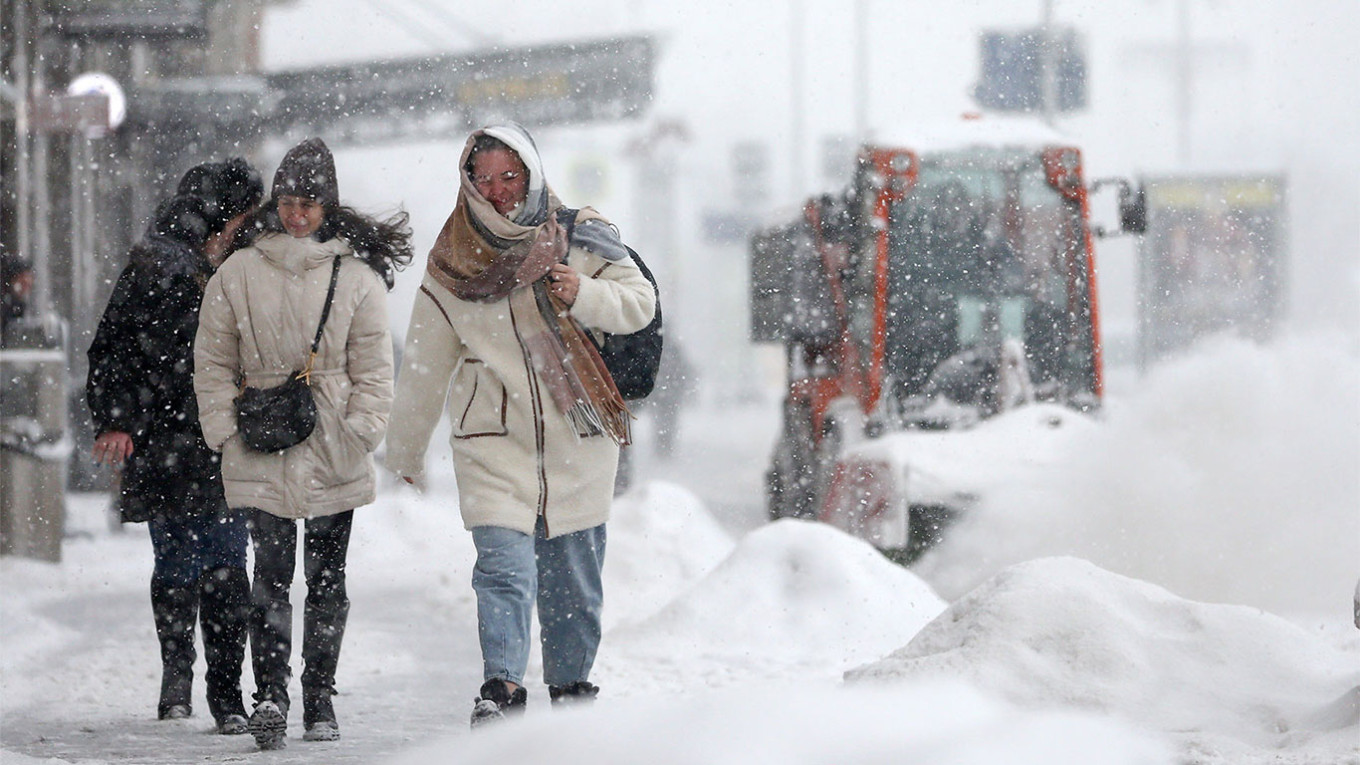
Russia has witnessed an extraordinary weather event as record-breaking snowfall shattered a 146-year-old record, disrupting daily life across several regions. The unprecedented accumulation of snow has forced temporary closures of schools and offices in multiple districts, while strong winds accompanying the storm have damaged electricity lines, leading to widespread power outages.
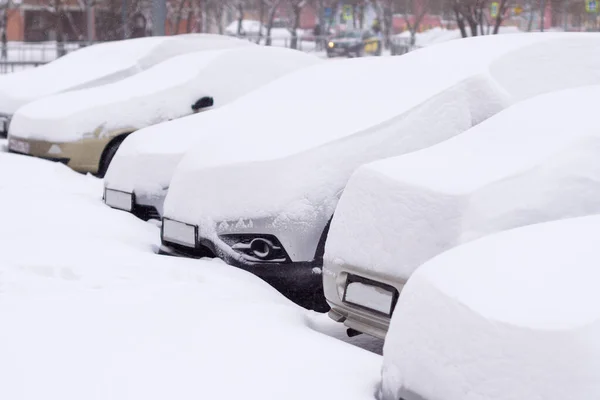
Authorities reported that some areas received snowfall levels not seen since the late 19th century. Roads were buried under thick layers of snow, public transport services were disrupted, and emergency services were placed on high alert. Municipal workers and rescue teams were deployed in large numbers to clear streets, assist stranded residents, and restore essential services.
The extreme snowfall has raised a key question: why is Russia experiencing such intense and prolonged snow events? Meteorologists point to a combination of atmospheric patterns and broader climate shifts. One major factor is the intrusion of moisture-laden air masses colliding with unusually cold Arctic air. When warm, humid air is forced upward by cold fronts, it leads to intense snowfall rather than rain.
Another contributing factor is the weakening of the polar jet stream. Scientists have observed that changes in Arctic temperatures can disrupt the jet stream, causing it to meander and slow down. When this happens, weather systems tend to linger over one region for longer periods. In Russia’s case, a slow-moving winter storm dumped massive amounts of snow over several days instead of passing quickly.
Ironically, global warming is also linked to heavier snowfall events in some regions. While average temperatures are rising, a warmer atmosphere can hold more moisture. When temperatures remain below freezing, that extra moisture falls as heavier snow. This phenomenon has been increasingly observed in northern countries, where winters are becoming more volatile rather than uniformly milder.
The impact of the snowfall has been severe. In some districts, authorities ordered the temporary shutdown of schools and government offices to ensure public safety. Power outages were reported after heavy snow and strong winds brought down electricity lines and damaged infrastructure. Residents in affected areas faced disruptions to heating and communication services during sub-zero temperatures.
Transportation networks were among the worst hit. Flights were delayed or cancelled, highways were closed, and rail services experienced slowdowns. Emergency warnings were issued, advising people to avoid unnecessary travel and prepare for further disruptions as weather conditions remained unstable.
Climate experts say such extreme weather events highlight the growing unpredictability of global climate systems. Russia, with its vast geography and already harsh winters, is particularly vulnerable to sudden and intense weather anomalies. The record-breaking snowfall serves as a reminder that climate change does not simply mean warmer weather but also more extreme and disruptive events.
As cleanup and restoration efforts continue, meteorologists are closely monitoring conditions for further snowfall or rapid temperature changes that could lead to flooding once the snow begins to melt. For now, authorities remain focused on restoring power, reopening institutions, and ensuring the safety of residents amid one of the heaviest snowfalls in Russia’s recorded history.
Note: Content and images are for informational use only. For any concerns, contact us at info@rajasthaninews.com.

Previous Post

Next Post
"इको-फ्रेंडली इनोवेश...
Related Post