_1767603857.jpg)
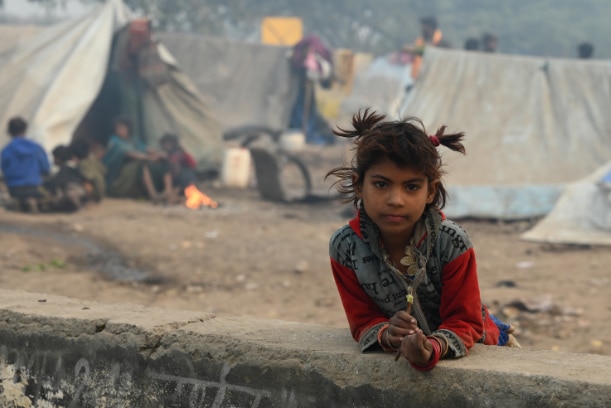
Climate change in India is no longer a distant environmental issue—it is increasingly shaping the everyday lives of children across the country. From rising temperatures and extreme weather to food insecurity and health risks, climate change is quietly rewriting what childhood looks like for millions, often in ways that go unnoticed until the damage is done.
One of the most visible impacts is on health. Intensifying heatwaves are placing children at greater risk of dehydration, heat stress and respiratory illnesses. Young bodies are less equipped to regulate temperature, making prolonged exposure to extreme heat particularly dangerous. Poor air quality, worsened by climate-related factors such as wildfires and dust storms, is contributing to higher rates of asthma and other chronic conditions among children, especially in urban areas.
Climate change is also disrupting education, a cornerstone of childhood development. Extreme heat has forced schools in several states to shorten hours or shut down temporarily. Floods and cyclones damage school infrastructure, displace families and interrupt learning for weeks or even months. For children from economically vulnerable households, these disruptions increase the risk of permanent dropouts, child labour or early marriage.
Nutrition and food security present another growing challenge. Climate-induced crop failures, erratic rainfall and rising food prices directly affect household diets. Children are often the first to feel the impact of reduced food availability, leading to undernutrition and stunted growth. These effects can have lifelong consequences, impairing cognitive development and reducing future earning potential.
Rural and marginalised communities are bearing a disproportionate burden. Children in farming and coastal families frequently witness climate stress firsthand as livelihoods are threatened by droughts, floods and soil degradation. Migration driven by climate pressures uproots children from familiar environments, schools and support systems, adding emotional and psychological strain to already fragile lives.
Beyond immediate hardships, climate change is reshaping children’s sense of security and future prospects. Anxiety about extreme weather, environmental degradation and uncertain livelihoods is becoming increasingly common among young people. Experts warn that climate-related stress and trauma, if left unaddressed, could have long-term mental health implications.
Without coordinated mitigation and resilience strategies, today’s children risk inheriting a world defined by heightened health burdens, disrupted education pathways and constrained opportunities. While India has made progress in climate commitments, child-focused adaptation measures remain limited. Schools, healthcare systems and social protection programmes must be redesigned with climate resilience at their core.
Experts stress that children should not only be viewed as victims but also as stakeholders in climate solutions. Climate education, community preparedness and inclusive policy planning can empower young people to adapt and contribute meaningfully to a sustainable future.
Ultimately, how India responds to climate change today will shape the quality of childhood for generations to come. Protecting children from the impacts of a warming world is not just an environmental imperative—it is a moral and developmental necessity that will define the nation’s future.
Note: Content and images are for informational use only. For any concerns, contact us at info@rajasthaninews.com.

Previous Post

Next Post
"इको-फ्रेंडली इनोवेश...
Related Post