Environment
Over Half of India’s Major River Deltas Are Sinking Due to Excessive Groundwater Extraction
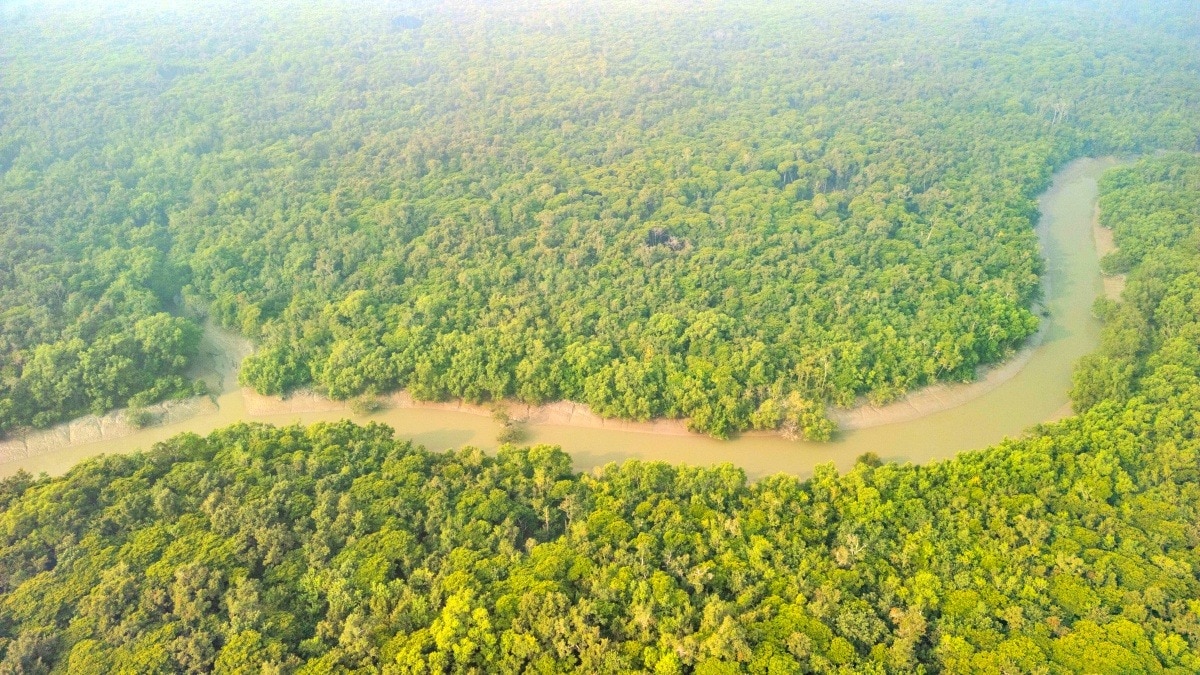
More than half of India’s major river deltas are experiencing land subsidence, or gradual sinking, primarily due to excessive groundwater extraction, according to recent scientific findings. Key delta regions such as the Brahmani and Mahanadi deltas are among the most affected, highlighting a growing environmental challenge with serious implications for coastal communities, agriculture, and infrastructure.
River deltas are among the most fertile and densely populated regions in the country, supporting millions of people through farming, fishing, and industry. However, unchecked withdrawal of groundwater for irrigation, industrial use, and domestic consumption has begun to destabilise these fragile landscapes. When groundwater is pumped out faster than it can be naturally replenished, underground sediment layers compact, causing the land above to sink irreversibly.
Experts warn that subsidence significantly increases the vulnerability of delta regions to flooding, storm surges, and sea-level rise. Even a small drop in land elevation can amplify the impact of cyclones and tidal flooding, allowing seawater to travel further inland. This threatens freshwater sources, damages crops through salinisation, and puts homes and livelihoods at risk.
The Brahmani and Mahanadi deltas, located along India’s eastern coast, are particularly exposed due to a combination of high groundwater dependence and frequent extreme weather events. Rapid agricultural expansion, growing urban centres, and inadequate surface water management have intensified reliance on underground water reserves in these regions.
Scientists note that land subsidence often goes unnoticed until its impacts become severe. Unlike sudden disasters, sinking occurs gradually, making it difficult to detect without long-term satellite data and geological monitoring. Once subsidence has occurred, it cannot be reversed, making prevention and sustainable water management crucial.
The problem is compounded by climate change. Reduced and erratic rainfall patterns push farmers and cities to extract even more groundwater, while rising sea levels increase pressure on already sinking deltas. Together, these forces create a dangerous cycle that threatens both environmental stability and economic security.
Researchers stress the urgent need for sustainable groundwater governance, including stricter regulation of extraction, improved irrigation efficiency, and greater use of surface water resources. Rainwater harvesting, managed aquifer recharge, and crop diversification away from water-intensive varieties are also seen as key solutions.
Policy experts argue that delta regions require special attention in national water and climate adaptation strategies. Without timely intervention, continued subsidence could lead to large-scale displacement, loss of agricultural productivity, and increased disaster-related costs.
The findings serve as a stark warning that India’s groundwater crisis is not just about water scarcity, but also about land stability and long-term resilience. Protecting river deltas like the Brahmani and Mahanadi will be essential to safeguarding coastal ecosystems and ensuring sustainable development for future generations.
Note: Content and images are for informational use only. For any concerns, contact us at info@rajasthaninews.com.

Previous Post

Next Post
"इको-फ्रेंडली इनोवेश...
Related Post