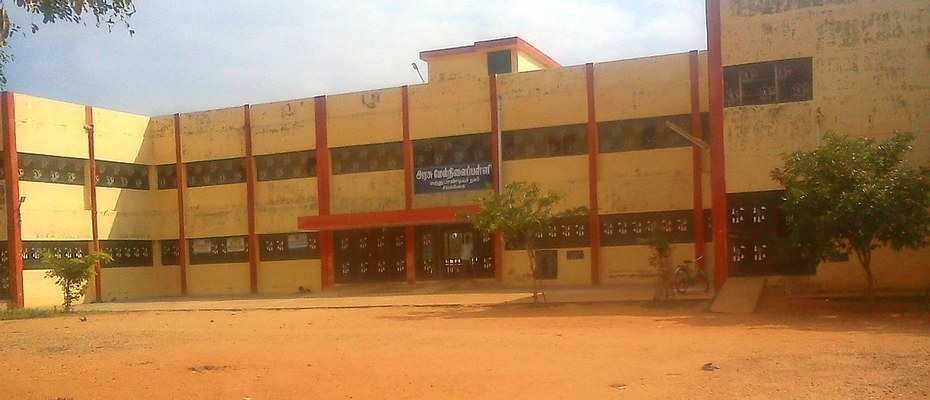
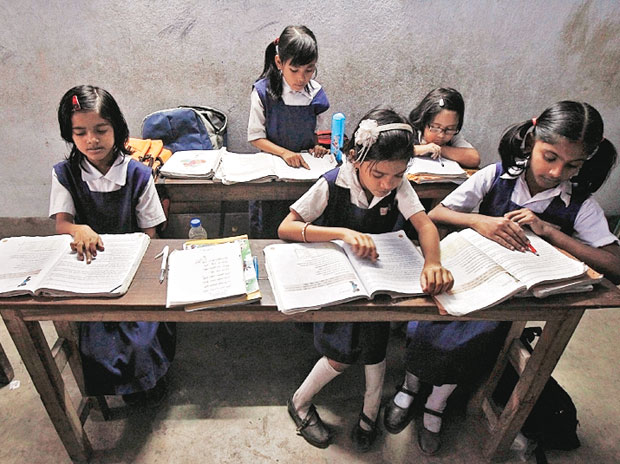
The latest Economic Survey has identified the uneven distribution of secondary schools across India as a major structural issue affecting access to education and long-term human capital development. The report stresses that while primary education coverage has improved significantly over the years, gaps at the secondary level continue to limit educational progression, particularly for students in rural and economically weaker regions.
According to the survey, the lack of nearby secondary schools increases dropout rates, especially after the primary stage. Students often face long travel distances, safety concerns, and higher associated costs, which discourage continued enrolment. These challenges disproportionately affect girls and students from low-income households, reinforcing existing social and economic inequalities.
The Economic Survey also points to economic compulsions as the leading cause of school dropouts. Many students leave school to supplement household income, take up informal work, or assist with domestic and caregiving responsibilities. These pressures are particularly acute in families facing financial insecurity, where education is often seen as secondary to immediate survival needs.
Domestic and care responsibilities, especially for girls, remain a significant barrier to sustained schooling. The survey notes that cultural expectations and unpaid household labour continue to limit educational opportunities, even in regions where schools are physically accessible. This highlights the need for targeted interventions that address both infrastructure gaps and socio-economic constraints.
Beyond school education, the report underscores the importance of ‘internationalising’ India’s higher education system. It argues that attracting foreign students, faculty, and global collaborations can enhance academic standards, research output, and India’s position as a global education hub. Internationalisation, the survey suggests, can also help align Indian institutions with global best practices and improve employability outcomes for graduates.
The survey acknowledges recent policy efforts aimed at strengthening education access, including digital learning initiatives, scholarships, and skill-linked programs. However, it emphasizes that these measures must be complemented by investments in physical infrastructure, particularly secondary schools, to ensure continuity in education pathways.
Experts believe that addressing the uneven distribution of secondary schools is critical for reaping the demographic dividend. Without stronger retention at the secondary level, India risks a workforce that lacks the skills required for a rapidly changing economy. Expanding access, improving quality, and offering financial support to vulnerable families are seen as key steps toward reducing dropout rates.
The Economic Survey ultimately calls for a holistic approach to education reform—one that combines infrastructure development, economic support for households, gender-sensitive policies, and global engagement in higher education. Strengthening these areas, the report notes, will be essential for building an inclusive, skilled, and globally competitive workforce.
Note: Content and images are for informational use only. For any concerns, contact us at info@rajasthaninews.com.

Previous Post

Next Post
"हाईकोर्ट ने प्राइव...
Related Post