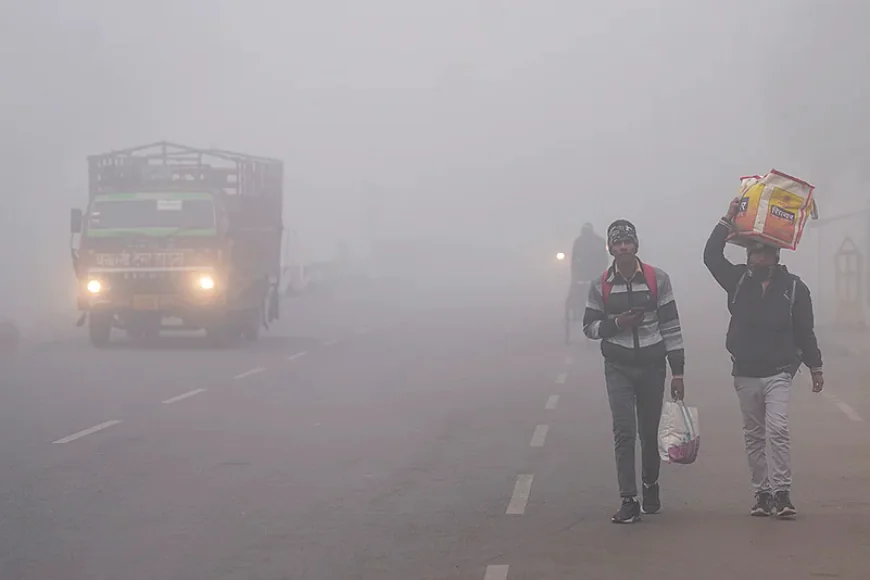
Mount Abu, Rajasthan’s only hill station, witnessed an extraordinary weather event on January 25, 2026, as temperatures plunged to a bone-chilling -7°C, marking one of the coldest days recorded in the region. The extreme cold wave has drawn widespread attention as it sharply defied normal seasonal expectations, raising concerns among residents, tourists, and weather experts alike.
Typically, Mount Abu experiences chilly winters due to its elevation, but sub-zero temperatures of this magnitude are rare. According to meteorological observations, the sudden dip was the result of a severe cold wave sweeping across north and northwest India, combined with clear skies and icy winds that allowed surface temperatures to drop rapidly overnight. The intense cold led to frost formation in several areas, with vehicles, rooftops, and vegetation coated in a thin layer of ice by early morning.
The freezing conditions significantly impacted daily life in Mount Abu. Locals were seen staying indoors during early hours, while tourists faced unexpected challenges navigating the harsh weather. Hotels and guesthouses reported increased demand for heating arrangements, and authorities issued advisories urging people to take precautions against hypothermia and cold-related illnesses. Schools in nearby regions reportedly adjusted timings to ensure student safety.
This extreme cold wave has also affected surrounding districts in Rajasthan, where temperatures dipped well below normal levels. Agricultural experts expressed concern over potential damage to winter crops due to frost, particularly vegetables and horticultural produce. Farmers have been advised to adopt protective measures to minimize crop losses caused by prolonged exposure to freezing conditions.
Meteorologists have described the event as unusual but not entirely unprecedented, noting that changing climate patterns are contributing to increased weather variability across India. While global warming is often associated with rising temperatures, experts emphasize that it can also lead to more frequent and intense extreme weather events, including severe cold spells. The Mount Abu temperature of -7°C serves as a stark reminder of these shifting climatic dynamics.
The cold wave has sparked discussions on preparedness and infrastructure resilience in hill stations and cold-prone regions. Authorities are monitoring the situation closely and have urged residents and tourists to stay informed through official weather updates. Emergency services remain on alert to respond to any weather-related incidents.
As winter progresses, weather officials caution that similar cold conditions could recur in parts of north India, though temperatures are expected to gradually stabilize in the coming days. The record-breaking cold in Mount Abu on January 25, 2026, stands out as a significant climatic event, underscoring the need for awareness, preparedness, and adaptive strategies in the face of increasingly unpredictable weather patterns.

Note: Content and images are for informational use only. For any concerns, contact us at info@rajasthaninews.com.

Previous Post

Next Post
"इको-फ्रेंडली इनोवेश...
Related Post