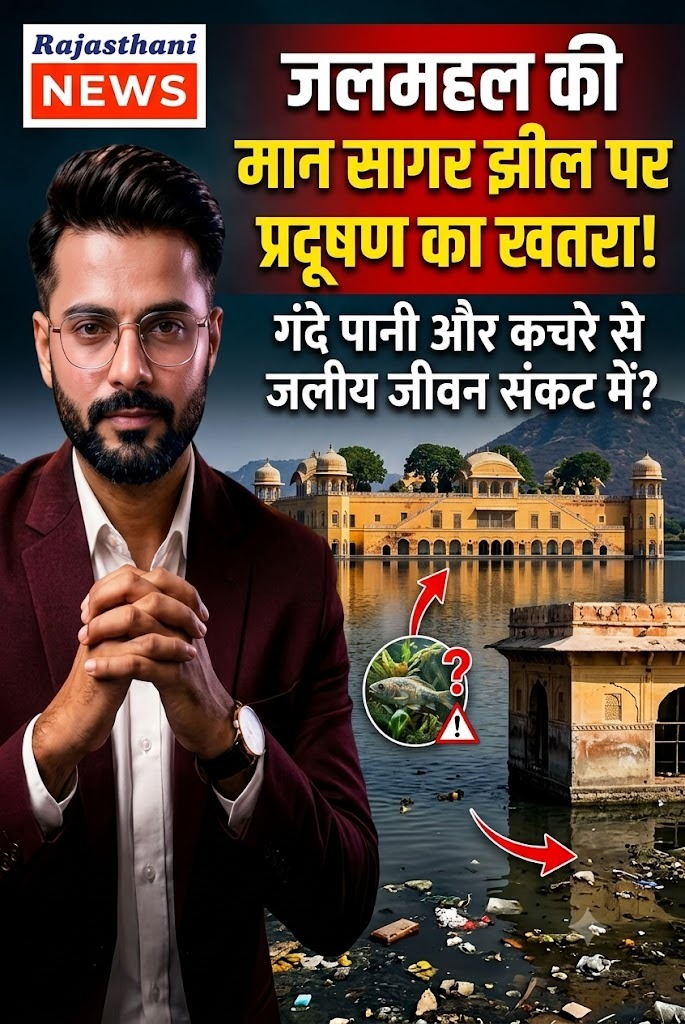
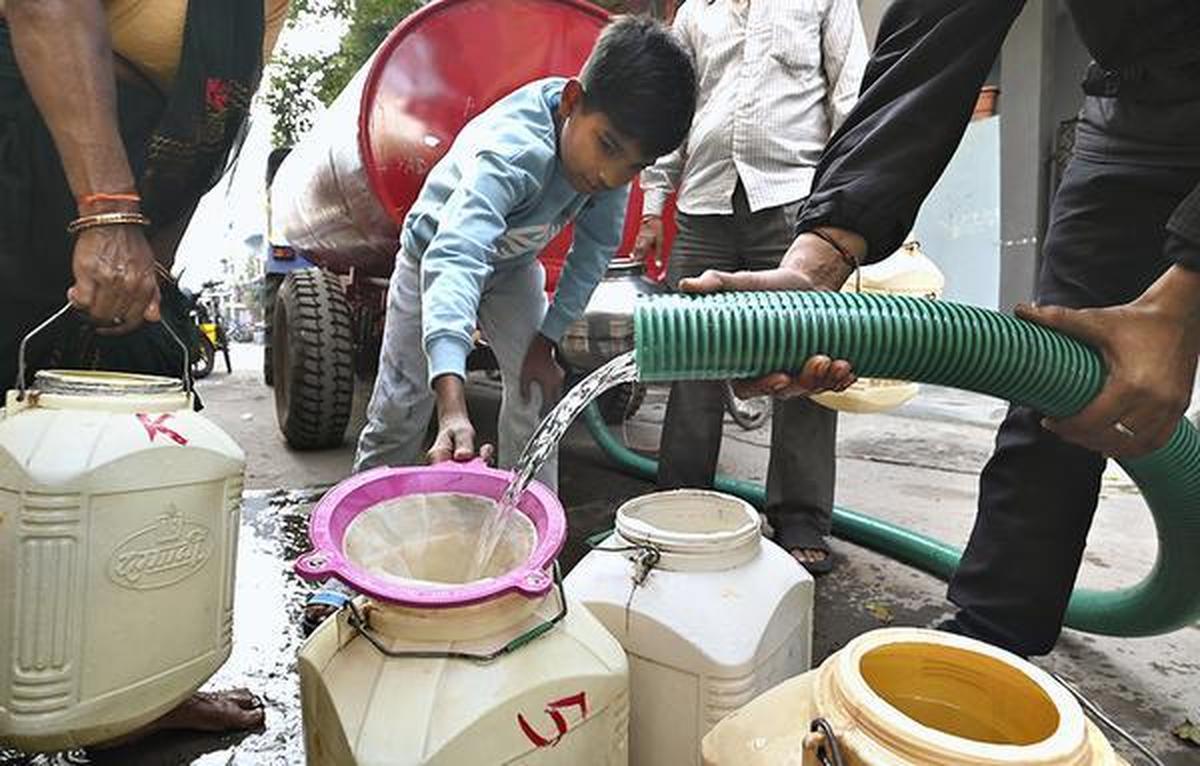
The National Green Tribunal (NGT) on January 14, 2026, issued notices to the Rajasthan government over alarming public health risks arising from sewage water mixing with drinking water in several major cities, including Jaipur, Udaipur, Jodhpur, and Kota. The tribunal took cognisance of the issue following reports highlighting corroded and ageing water supply infrastructure, which has allegedly led to widespread contamination.
According to the NGT, the intermixing of sewage with potable water poses a grave threat to public health and violates basic environmental and civic safety norms. The tribunal observed that such contamination could lead to outbreaks of water-borne diseases, including cholera, typhoid, hepatitis, and severe gastrointestinal infections, particularly affecting children, the elderly, and vulnerable populations.
The matter was taken up after complaints and media reports pointed to deteriorating pipelines and inadequate maintenance of underground water and sewerage networks in Rajasthan’s urban centres. In many areas, corroded pipes and leakages are believed to be allowing sewage to seep into drinking water lines, especially during periods of low pressure or supply disruptions.
Issuing notices to the State government and concerned civic authorities, the NGT sought detailed responses on the current condition of water supply infrastructure, steps taken to prevent contamination, and timelines for repair or replacement of damaged pipelines. The tribunal also asked officials to clarify whether regular water quality testing is being conducted and if affected residents have been provided with safe alternative drinking water.
Environmental experts have long warned that Rajasthan’s rapid urbanisation, coupled with outdated civic infrastructure, has placed immense pressure on water and sanitation systems. In cities like Jaipur and Jodhpur, parts of the pipeline network are decades old, making them highly susceptible to corrosion and leaks. Udaipur and Kota have also reported recurring complaints of foul-smelling or discoloured tap water in certain localities.
Public health specialists say the issue is particularly concerning in a water-scarce State like Rajasthan, where residents often have limited alternatives to municipal water supplies. “When sewage enters drinking water lines, the health impact can be immediate and severe,” a health expert said, adding that prevention requires proactive infrastructure upgrades rather than temporary fixes.
The NGT has repeatedly stressed the responsibility of States and urban local bodies to ensure access to clean and safe drinking water as a fundamental right. In previous cases, the tribunal has imposed penalties and ordered strict monitoring where authorities failed to address systemic contamination issues.
Following the notice, Rajasthan government officials said they are reviewing the matter and will submit a comprehensive report to the tribunal. They also indicated that steps are being taken to identify critical zones, repair damaged pipelines, and strengthen water quality monitoring mechanisms.
As the case progresses, the NGT’s intervention is expected to put pressure on civic agencies to accelerate long-pending infrastructure upgrades. For residents of affected cities, the tribunal’s action offers hope of accountability and long-term solutions to a problem that directly threatens public health and quality of life.
Note: Content and images are for informational use only. For any concerns, contact us at info@rajasthaninews.com.

Previous Post
Next Post
"इको-फ्रेंडली इनोवेश...
Related Post