Health
Operationalising New IPD Towers at Mahila Chikitsalaya and Zenana Hospital a Key Focus of 2026 Health Blueprint

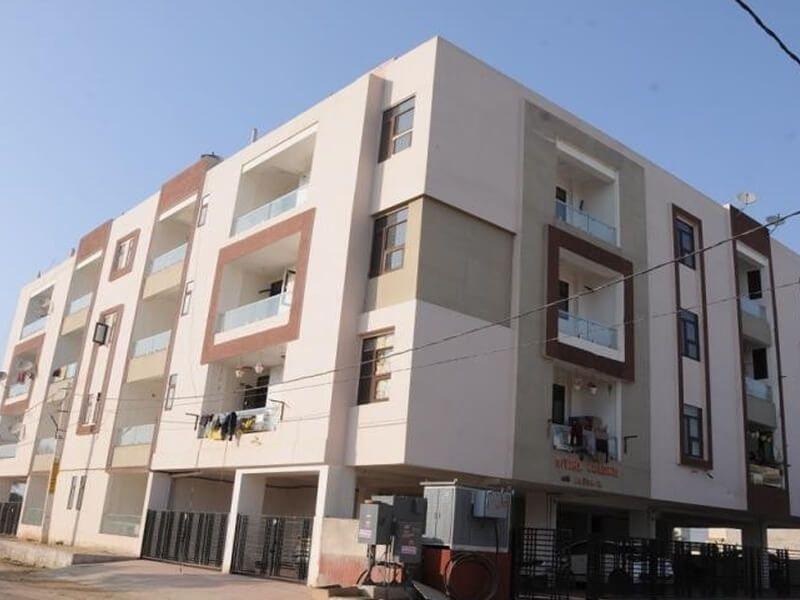
The functional operation of newly constructed IPD (In-Patient Department) towers at Mahila Chikitsalaya (Sanganeri Gate) and Zenana Hospital has been identified as a top priority in the 2026 state health blueprint, reflecting the government’s focus on strengthening public healthcare infrastructure and improving patient outcomes.
Mahila Chikitsalaya and Zenana Hospital are among the state’s most critical healthcare institutions, particularly for women and maternal health services. Over the years, both hospitals have witnessed a sharp rise in patient inflow, leading to congestion, longer waiting times, and pressure on existing facilities. The addition of new IPD towers is expected to significantly enhance bed capacity, clinical efficiency, and the overall quality of care.
According to the health blueprint, ensuring that these IPD towers are not just constructed but fully functional is central to healthcare reform efforts. This includes staffing the facilities with trained medical professionals, ensuring the availability of modern medical equipment, and integrating the towers into existing hospital systems for seamless patient management.
The new IPD towers are designed to support a wide range of services, including obstetrics, gynaecology, neonatal care, and specialised inpatient treatment. Improved infrastructure is expected to reduce patient overcrowding, improve infection control, and offer better privacy and comfort, especially for women patients who form the majority at these institutions.
Health officials emphasise that infrastructure alone is not sufficient. The 2026 blueprint outlines a broader approach that combines physical expansion with operational readiness, including recruitment of doctors and nursing staff, digital health records integration, and improved supply chain management for medicines and consumables.
The focus on Mahila Chikitsalaya and Zenana Hospital also highlights the state’s commitment to women-centric healthcare. These hospitals play a crucial role in maternal and child health services, handling high-risk pregnancies and complicated deliveries from across the region. Enhanced IPD facilities are expected to strengthen referral systems and reduce the burden on tertiary care hospitals.
Public health experts note that timely operationalisation of such large healthcare projects is essential to realise their intended benefits. Delays in staffing, equipment installation, or administrative approvals can limit impact, even after construction is completed. By making functionality a priority, the state aims to ensure that investments translate into tangible improvements for patients.
The health blueprint also aligns with broader goals such as reducing maternal mortality, improving inpatient care standards, and expanding access to quality healthcare for urban and semi-urban populations. Improved IPD capacity is expected to play a key role in managing rising healthcare demand driven by population growth and increased health awareness.
Overall, the emphasis on operationalising the new IPD towers at Mahila Chikitsalaya and Zenana Hospital reflects a shift toward outcome-oriented healthcare planning. If implemented effectively, this initiative could significantly enhance service delivery, reduce patient load pressures, and strengthen the public health system ahead of 2026.

Note: Content and images are for informational use only. For any concerns, contact us at info@rajasthaninews.com.
Previous Post

Next Post
40 के बाद शर्ट से बा...
Related Post