Health
Guillain-Barré Syndrome Cases Surge in Madhya Pradesh’s Neemuch; Nipah Scare Persists in West Bengal
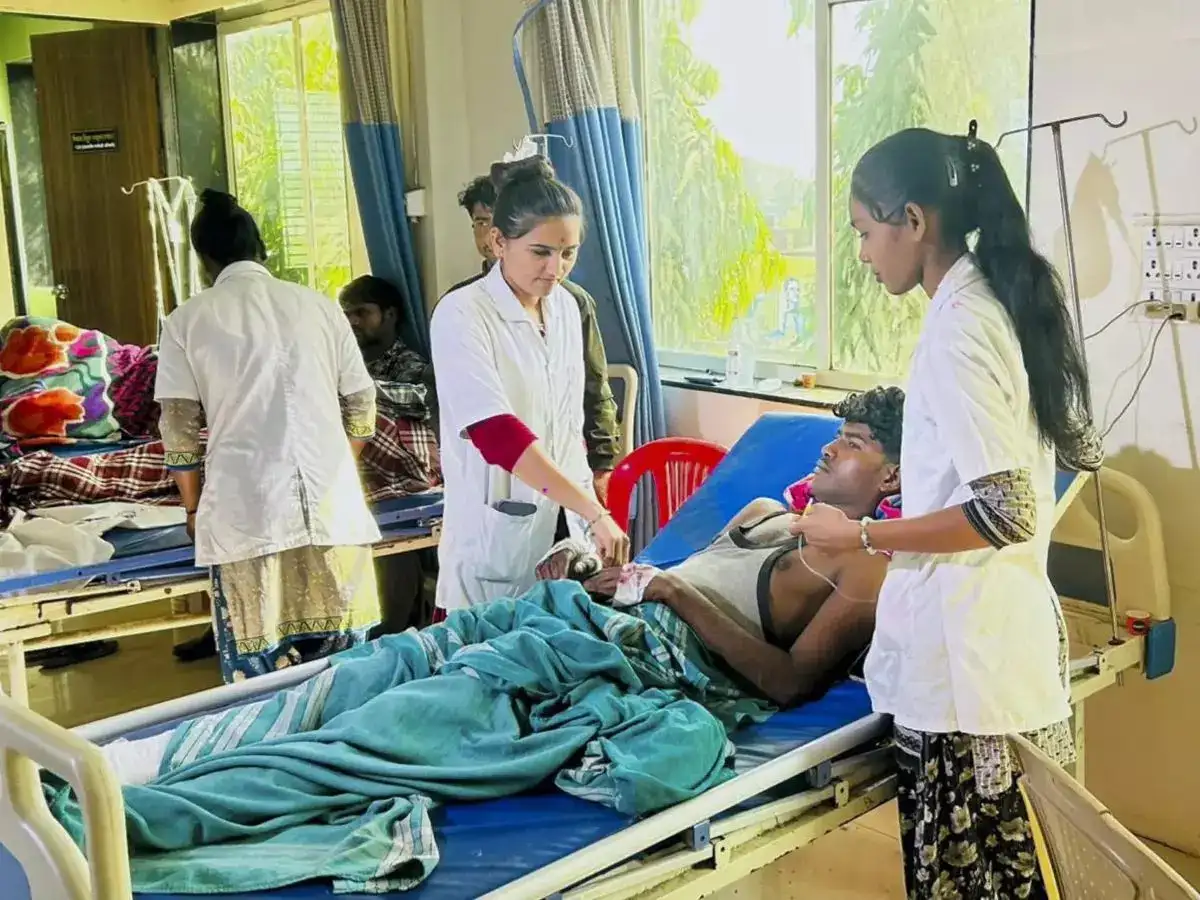
India’s public health system is facing renewed concern as a surge in Guillain-Barré Syndrome (GBS) cases has been reported from Madhya Pradesh’s Neemuch district, even as West Bengal continues to remain on high alert following a recent Nipah virus outbreak. Health authorities in both States have intensified surveillance and response measures to prevent further escalation.
According to officials, Neemuch district has recorded an unusual increase in Guillain-Barré Syndrome cases over the past few weeks. GBS is a rare neurological disorder in which the body’s immune system mistakenly attacks the peripheral nerves, often leading to muscle weakness, numbness, and in severe cases, paralysis. While the condition is typically triggered by a bacterial or viral infection, the exact cause behind the current spike in Neemuch is still under investigation.
Medical teams have been deployed to the affected areas to monitor patients and identify potential triggers. Health officials have stressed that Guillain-Barré Syndrome is not contagious, but early diagnosis and treatment are critical for recovery. Hospitals in the district have been instructed to ensure the availability of intensive care facilities, including ventilator support, for severe cases. Epidemiological teams are also examining whether recent infections, contaminated water, or other environmental factors could be linked to the rise in cases.
Meanwhile, in West Bengal, concern continues over a Nipah virus outbreak that has left nursing staff in critical condition. The Nipah virus, a zoonotic disease transmitted from animals to humans, can cause severe respiratory illness and encephalitis, with a high fatality rate. Although no new human cases have been reported in recent days, the situation remains under close watch.
As part of containment efforts, a bat survey was conducted in the affected region, given that fruit bats are known natural reservoirs of the Nipah virus. Officials confirmed that no fresh evidence of active Nipah virus transmission was detected in the latest survey, offering some relief. However, health authorities have cautioned against complacency, noting that continuous monitoring is essential due to the virus’s unpredictable nature.
The nursing staff who tested positive for Nipah are currently undergoing treatment in isolation facilities, and their condition remains critical, according to hospital sources. Contact tracing has been carried out, and individuals who may have been exposed are being closely monitored for symptoms.
Public health experts have pointed out that the simultaneous emergence of different health threats in separate regions highlights the need for robust disease surveillance systems. With climate change, urbanisation, and increased human-animal interaction contributing to the spread of infectious and immune-mediated diseases, early detection and rapid response have become more important than ever.
Authorities in both Madhya Pradesh and West Bengal have urged citizens to remain vigilant, follow health advisories, and seek medical attention if symptoms arise. While the GBS surge and Nipah outbreak are unrelated, officials stress that coordinated efforts between State and central health agencies are key to preventing further health emergencies.

Note: Content and images are for informational use only. For any concerns, contact us at info@rajasthaninews.com.
Previous Post

Next Post
40 के बाद शर्ट से बा...
Related Post