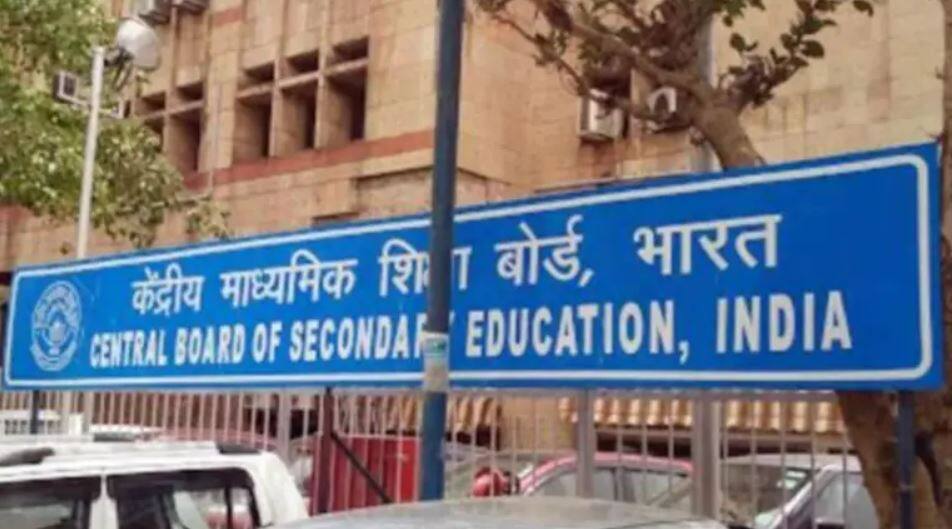
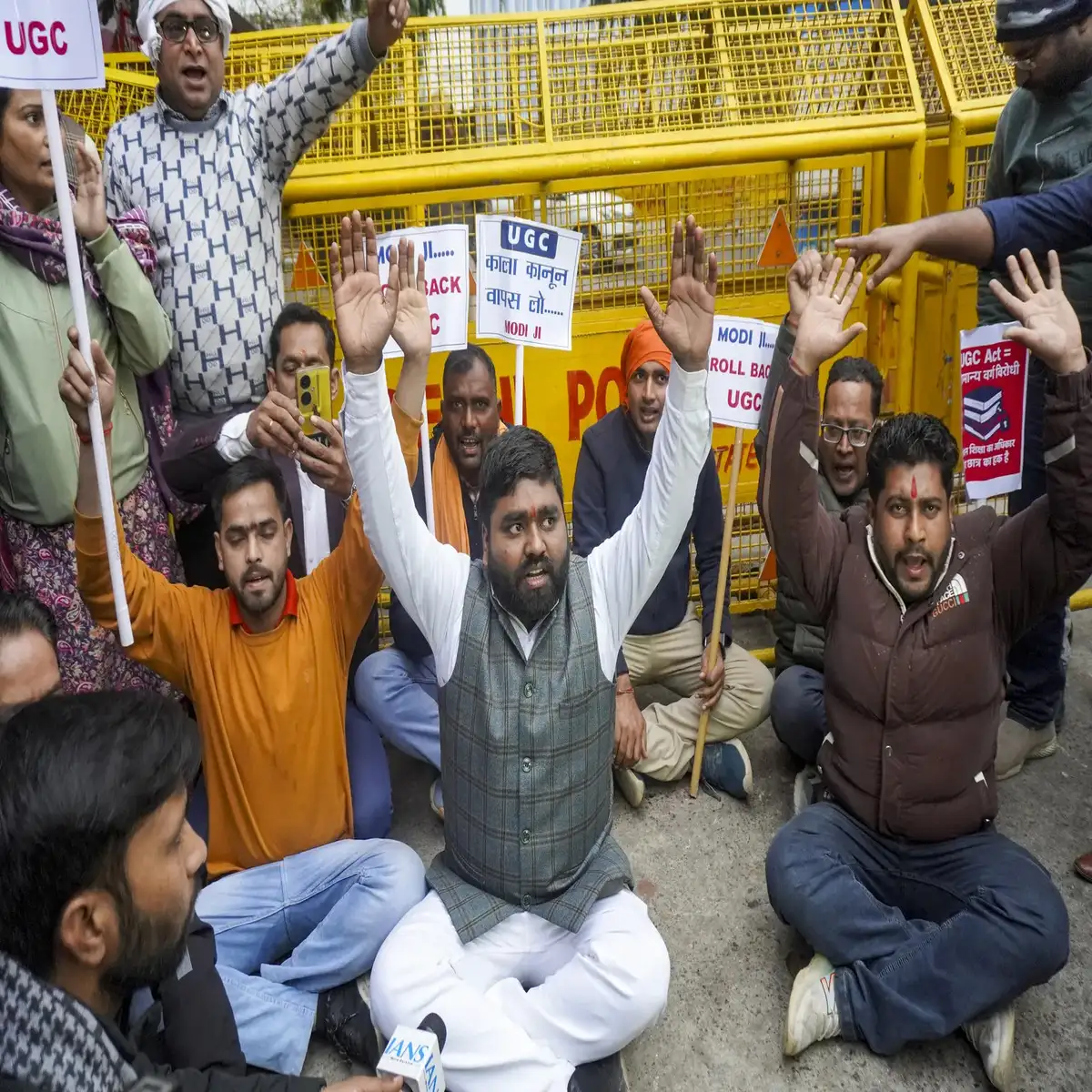
Protests against the University Grants Commission (UGC) Equity Regulations 2026 have intensified across several parts of the country, as students, academics, and civil society groups raise concerns over the scope and interpretation of the new rules. The controversy has now reached the judiciary, with a Public Interest Litigation (PIL) filed in the Supreme Court, challenging key provisions of the regulations related to caste-based discrimination.
The PIL argues that the regulations’ definition of caste-based discrimination is restricted to Scheduled Castes (SC), Scheduled Tribes (ST), and Other Backward Classes (OBC), thereby excluding students from other social groups who may also face discrimination within higher education institutions. Petitioners contend that this selective definition violates the constitutional principle of equality and creates an incomplete framework for addressing discrimination on campuses.
According to the petition, discrimination in educational spaces is not always limited to constitutionally recognized categories and can occur on multiple social, economic, and regional grounds. By narrowing the definition, the regulations allegedly fail to provide protection to all students and risk institutionalizing unequal treatment under the guise of equity.
The UGC Equity Regulations 2026 were introduced with the stated objective of strengthening mechanisms to prevent discrimination in universities and colleges, mandating the creation of grievance redressal systems, equity cells, and monitoring frameworks. However, critics argue that the rules, in their current form, may lead to selective enforcement and legal ambiguity.
Protests have reportedly taken place in cities including Delhi and Lucknow, with demonstrators demanding a revision of the regulations to adopt a more inclusive and comprehensive definition of discrimination. Some academic bodies have also expressed apprehension about the potential misuse of the rules, warning that unclear provisions could create fear among faculty and administrators while failing to address genuine grievances effectively.
Responding to the growing criticism, Union Education Minister Dharmendra Pradhan sought to reassure stakeholders, stating that the guidelines are intended to prevent discrimination and promote equity, not to be misused or applied arbitrarily. He emphasized that the regulations are a step toward creating safer and more inclusive academic environments and that safeguards exist to ensure fair implementation.
The minister further noted that the government remains open to feedback and that the purpose of the regulations is to strengthen social justice in higher education, not to deepen divisions. He underlined that proper interpretation and institutional oversight would be key to ensuring the guidelines serve their intended purpose.
Legal experts say the Supreme Court’s response to the PIL could have far-reaching implications for higher education governance in India. A judicial interpretation may clarify whether equity regulations should be limited to constitutionally defined categories or expanded to cover broader forms of discrimination.
As the debate continues, the UGC Equity Regulations 2026 have become a focal point in discussions on social justice, constitutional equality, and academic freedom. The outcome of the legal challenge and ongoing consultations will likely shape how Indian universities address discrimination in the coming years, balancing inclusivity with clarity and due process.

Note: Content and images are for informational use only. For any concerns, contact us at info@rajasthaninews.com.

Previous Post
Next Post
"हाईकोर्ट ने प्राइव...
Related Post