World
New START Treaty Expires: World Enters Uncharted Nuclear Era Without U.S.–Russia Arms Control Pact
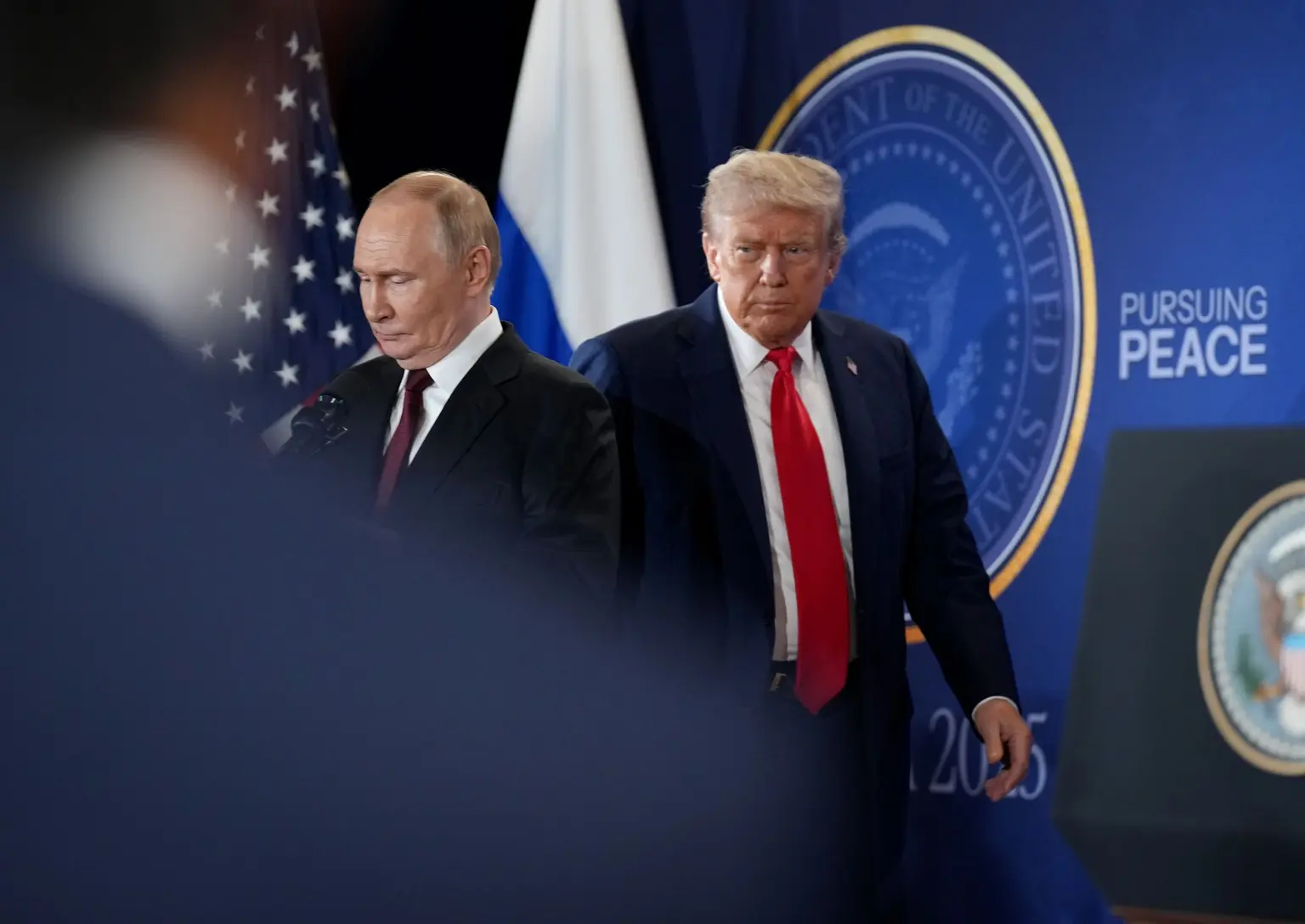
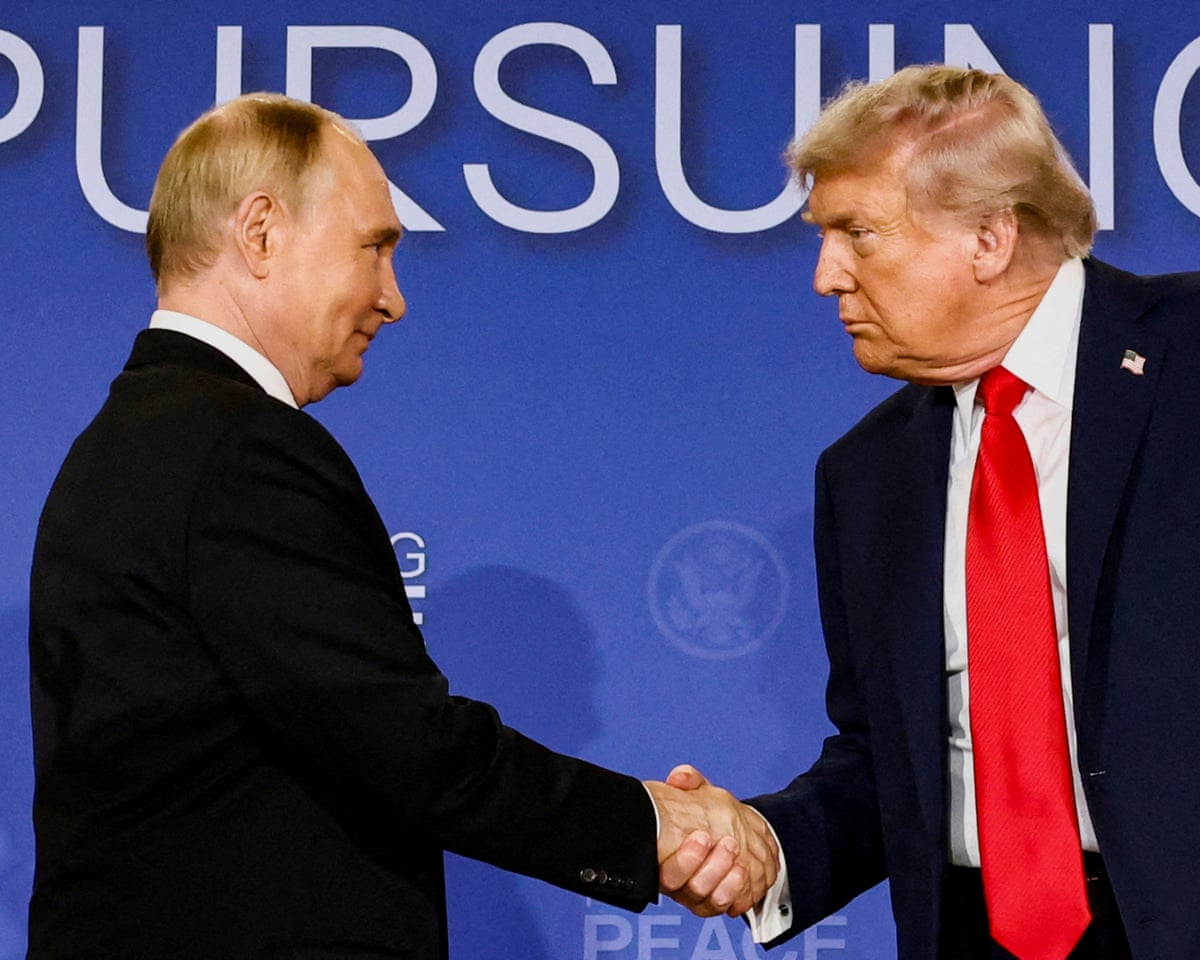
The expiration of the New START treaty marks a historic and concerning moment in global nuclear diplomacy. For the first time in decades, the United States and Russia — the world’s two largest nuclear powers — are operating without a formal nuclear arms control agreement governing their strategic arsenals. The treaty’s official expiry signals the end of the last remaining bilateral framework that limited deployed nuclear warheads and delivery systems between the two superpowers.
Originally signed in 2010 and extended in 2021, the New Strategic Arms Reduction Treaty (New START) placed caps on deployed strategic nuclear warheads and intercontinental ballistic missile systems. It also included verification mechanisms such as on-site inspections, data exchanges, and notifications, ensuring transparency and reducing the risk of misunderstandings. These confidence-building measures were widely seen as essential tools for maintaining global strategic stability.
With the treaty now expired, there are no legally binding limits on the number of deployed strategic nuclear weapons either country can maintain. Experts warn that the absence of formal constraints could potentially trigger a renewed arms race, increase military spending, and heighten geopolitical tensions. The lack of inspection mechanisms also reduces transparency, making it more difficult to assess each side’s nuclear posture accurately.
The collapse of arms control frameworks has been gradual over the past decade. Previous agreements such as the Intermediate-Range Nuclear Forces (INF) Treaty were also terminated, eroding decades of carefully negotiated nuclear stability measures. The end of New START further underscores the fragile state of global arms control architecture.
Geopolitical tensions between Washington and Moscow have intensified in recent years, complicating diplomatic efforts to negotiate a successor agreement. Strategic mistrust, evolving military technologies, cyber capabilities, and emerging nuclear powers have made modern arms control negotiations significantly more complex than during the Cold War era.
Beyond the U.S. and Russia, the expiration of the treaty carries global implications. Many nations view nuclear arms control agreements as pillars of international security. The absence of a binding agreement between the two largest nuclear arsenals could influence global non-proliferation efforts and weaken confidence in existing frameworks such as the Nuclear Non-Proliferation Treaty (NPT).
Security analysts argue that renewed diplomatic engagement remains crucial to prevent escalation. Even during periods of political tension, arms control negotiations historically served as stabilizing channels of communication. Without such mechanisms, the risk of miscalculation or strategic misunderstanding increases.
As the world enters this uncertain phase, policymakers face mounting pressure to pursue new negotiations or alternative frameworks that address modern strategic realities. Whether through bilateral talks, multilateral agreements, or confidence-building measures, the future of nuclear diplomacy now stands at a critical crossroads.
The expiration of the New START treaty does not immediately signal confrontation, but it undeniably marks the beginning of a new and uncertain chapter in global nuclear security — one that demands careful diplomacy, strategic restraint, and renewed international cooperation.
Note: Content and images are for informational use only. For any concerns, contact us at info@rajasthaninews.com.

Previous Post

Next Post
"Peter Dutton Affirm...
Related Post