
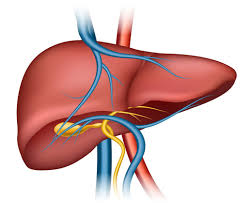
A serious healthcare challenge has emerged in Jaipur, where a critical shortage of cadaver kidney donations is putting hundreds of lives at risk. As of 2026, only two cadaver kidney donations have been recorded across the state, highlighting a concerning gap between the demand for organ transplants and the availability of donors.
This shortage has directly impacted patients suffering from severe kidney diseases, many of whom rely on transplants as their only chance for survival. Currently, at least 899 patients are on the waiting list in Rajasthan, anxiously hoping for a suitable donor. The long waiting period not only affects their physical health but also places immense emotional and financial stress on families.
Cadaver organ donation, which involves retrieving organs from deceased individuals with prior consent, plays a crucial role in addressing transplant needs. However, awareness and participation in such programs remain limited in many parts of India. Cultural beliefs, lack of awareness, and procedural challenges are some of the key factors contributing to the low number of cadaver donations.
Due to the shortage within the state, many families are now being forced to look beyond Rajasthan for treatment options. Neighboring Gujarat has emerged as a preferred destination, as it has relatively better infrastructure and a higher rate of organ donations. However, traveling to another state for a transplant brings additional challenges, including increased costs, logistical difficulties, and the need for extended stays away from home.
Healthcare experts emphasize the urgent need to improve awareness about organ donation and streamline the process to encourage more people to register as donors. Government initiatives, hospital programs, and non-profit organizations can play a significant role in bridging this gap. Public campaigns that highlight the life-saving impact of organ donation may help change perceptions and increase participation.
In addition to awareness, there is also a need to strengthen the healthcare infrastructure related to organ transplantation. This includes improving coordination between hospitals, ensuring timely identification of potential donors, and simplifying legal and administrative procedures. Such measures can significantly enhance the efficiency of the organ donation system.
The situation in Jaipur serves as a wake-up call for policymakers and healthcare providers. Without immediate intervention, the number of patients on the waiting list is likely to continue rising, further worsening the crisis. Addressing this issue requires a combined effort from the government, medical community, and society at large.
In conclusion, the kidney transplant shortage in Jaipur reflects a broader challenge within the healthcare system. With only two cadaver donations recorded in 2026 and hundreds of patients waiting, the need for urgent action is clear. Promoting organ donation awareness and improving healthcare systems can help save countless lives and prevent such crises in the future.

Note: Content and images are for informational use only. For any concerns, contact us at info@rajasthaninews.com.
Previous Post

Next Post
40 के बाद शर्ट से बा...
Related Post