
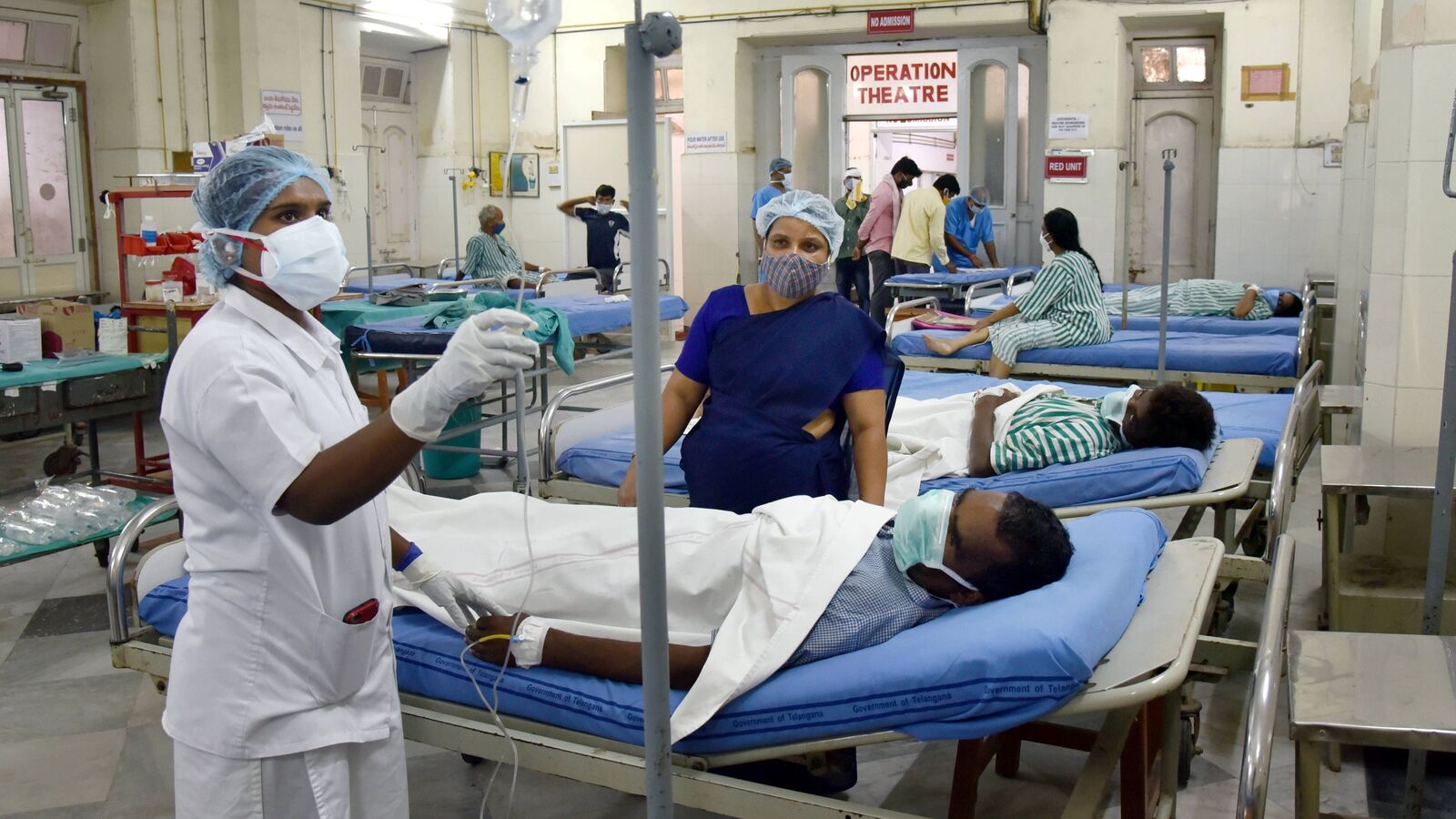
India’s public health landscape is undergoing a significant transformation, with policymakers placing renewed emphasis on reforms that improve transparency, affordability, and access to healthcare. Among these initiatives, the push toward uniform hospital billing has emerged as a key priority, reflecting the government’s broader effort to streamline healthcare costs and protect patients from unpredictable medical expenses.
Uniform hospital billing aims to standardize charges for medical procedures, diagnostics, and services across both public and private healthcare institutions. Currently, patients in India often face wide variations in hospital bills for the same treatment, depending on location, hospital brand, or lack of clear pricing guidelines. This inconsistency has long been a source of financial stress, particularly for middle- and lower-income families who may struggle with unexpected out-of-pocket costs.
By introducing standardized billing frameworks, authorities hope to bring greater price transparency into the healthcare system. Clear and uniform rates would allow patients to make informed decisions, compare treatment costs more easily, and reduce the risk of overcharging. For insurers and government-funded health schemes, uniform billing could also simplify claims processing and reduce disputes over reimbursement amounts.
The initiative aligns closely with India’s ongoing public health programs such as Ayushman Bharat, which seeks to provide financial protection to millions of vulnerable citizens. Standardized hospital charges can strengthen the effectiveness of such schemes by ensuring that allocated funds are used efficiently and reach the intended beneficiaries. It also supports the larger goal of universal health coverage by making quality healthcare more predictable and accessible.
Healthcare experts note that uniform billing could improve accountability within the private healthcare sector. Hospitals may be required to publish standardized rate cards and adhere to defined pricing norms, particularly for common procedures and emergency services. This could help curb unethical practices and reinforce patient rights, while still allowing flexibility for specialized or advanced treatments where cost variations are justified.
However, the move is not without challenges. India’s healthcare ecosystem is diverse, ranging from small clinics to large multi-specialty hospitals with varying infrastructure and cost structures. Implementing uniform billing will require careful consultation with stakeholders, phased rollouts, and strong regulatory oversight. Balancing affordability for patients with financial sustainability for hospitals remains a critical concern.
Despite these challenges, the continued focus on initiatives like uniform hospital billing signals a clear policy direction. It reflects a shift toward patient-centric healthcare, where transparency and fairness are prioritized alongside medical outcomes. Combined with investments in digital health records, telemedicine, and preventive care, billing reforms could play a crucial role in reshaping how healthcare is delivered and financed in India.
Overall, India’s emphasis on public health initiatives, including uniform hospital billing, underscores a long-term commitment to building a more equitable and efficient healthcare system. If implemented effectively, these reforms have the potential to reduce financial hardship, enhance trust in healthcare institutions, and improve health outcomes for millions across the country.
Note: Content and images are for informational use only. For any concerns, contact us at info@rajasthaninews.com.

Previous Post

Next Post
40 के बाद शर्ट से बा...
Related Post