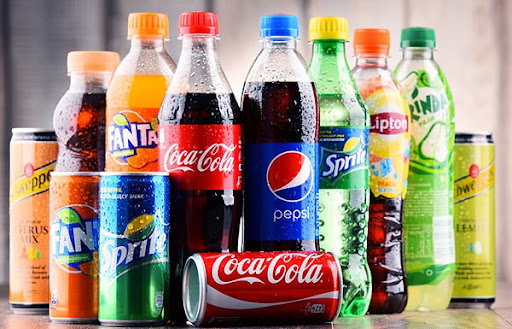
The World Health Organization (WHO) has called on governments worldwide to significantly strengthen taxes on sugary drinks and alcoholic beverages, warning that weak and inconsistent tax systems are allowing harmful products to remain affordable while health systems face growing financial pressure. According to the global health body, stronger taxation is a critical tool to reduce the burden of preventable noncommunicable diseases (NCDs) and alcohol-related injuries.
In its latest appeal, the WHO said that products such as sugar-sweetened beverages and alcohol contribute heavily to rising rates of obesity, diabetes, heart disease, liver disorders, and certain cancers. Despite clear evidence linking these products to poor health outcomes, taxes in many countries remain too low to discourage consumption effectively. As a result, consumption levels continue to rise, particularly among young people and low-income populations.
The WHO emphasized that weak tax policies not only fail to curb harmful consumption but also deprive governments of much-needed revenue. Health systems across the world are under increasing strain due to the rising costs of treating chronic diseases that are largely preventable. The organization noted that revenue generated from higher health taxes could be reinvested into healthcare infrastructure, disease prevention programmes, and social protection measures.
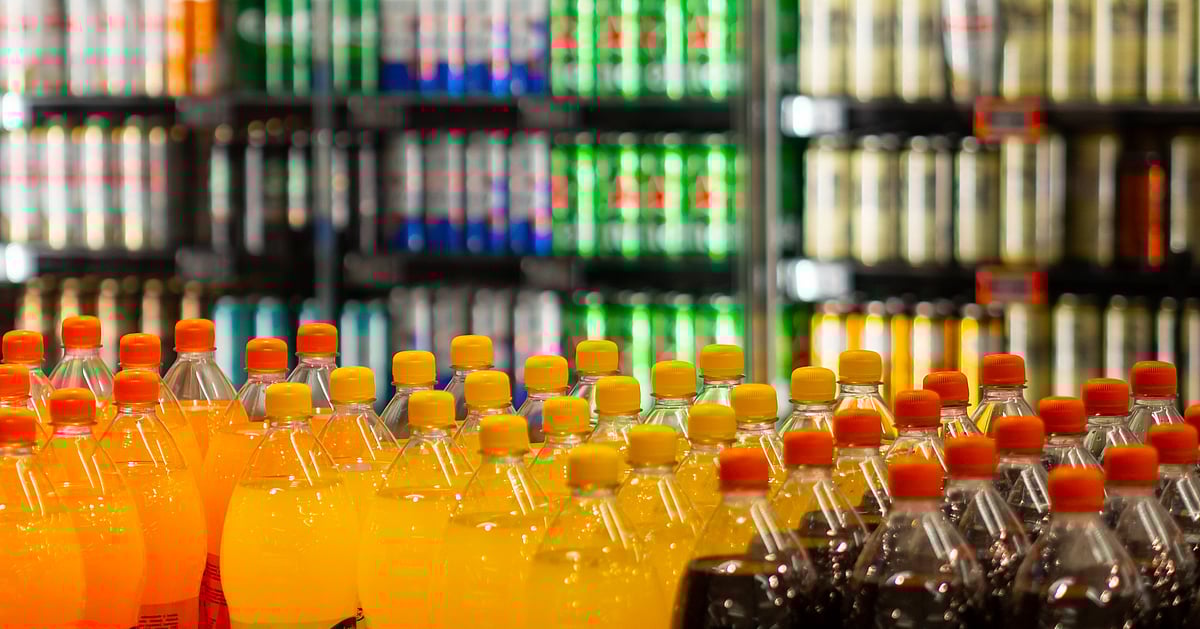
Sugary drinks, in particular, have been identified as a major driver of childhood obesity. WHO officials argue that increasing taxes on these beverages can lead to meaningful reductions in sugar intake, while also encouraging manufacturers to reformulate products with lower sugar content. Countries that have implemented higher sugar taxes have already reported declines in consumption and improvements in public health indicators.
Alcohol taxation was also highlighted as an effective policy tool to reduce injuries, violence, and long-term health damage. The WHO said alcohol-related harm places a heavy burden on emergency services and healthcare systems, especially in low- and middle-income countries where resources are already limited. Higher alcohol taxes, combined with restrictions on marketing and availability, could significantly reduce alcohol-related deaths and injuries.
The organization stressed that taxation policies should be designed carefully to ensure they are effective and equitable. This includes adjusting taxes regularly to keep pace with inflation and income growth, closing loopholes that allow producers to avoid higher rates, and ensuring clear labelling and enforcement mechanisms. Without these measures, the WHO warned, taxes lose their impact over time.
The call comes at a time when many governments are facing budget constraints and rising healthcare costs. WHO officials argue that health taxes represent a “win-win” solution—improving population health while generating sustainable revenue. However, they also acknowledged strong opposition from the food and alcohol industries, which often lobby against higher taxes.
As noncommunicable diseases continue to rise globally, the WHO urged policymakers to act decisively. Strengthening taxes on sugary drinks and alcoholic beverages, the organization said, is not just a fiscal measure but a vital investment in long-term public health and economic resilience.
Note: Content and images are for informational use only. For any concerns, contact us at info@rajasthaninews.com.
Previous Post

Next Post
40 के बाद शर्ट से बा...
Related Post