

In an exciting development for biodiversity research, scientists from the Zoological Survey of India (ZSI) have discovered two previously unknown species of lichen moths in the Eastern Himalayas. The discovery highlights the ecological richness of the Himalayan region and reinforces its reputation as one of the world’s most important biodiversity hotspots.
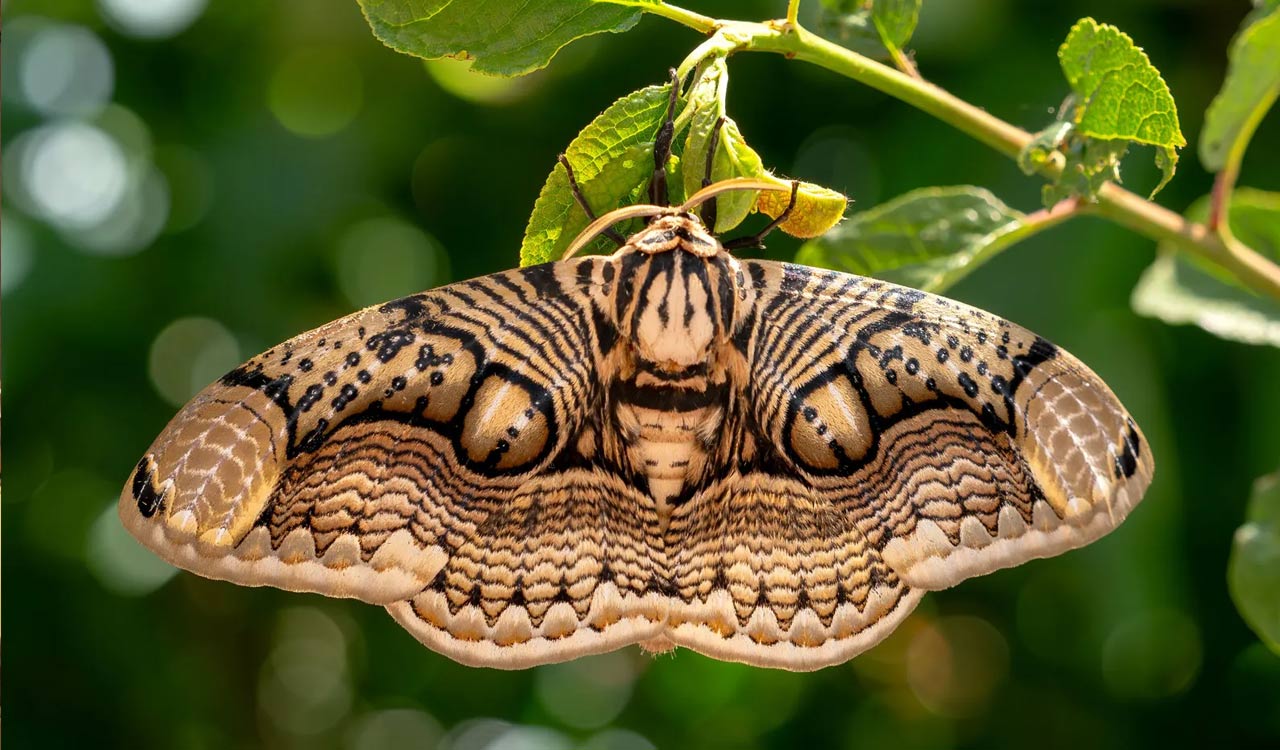
The newly identified moth species belong to a group commonly known as lichen moths, insects that typically live in forested habitats and feed on lichens, algae, and other organic matter found on tree bark and rocks. These moths often display striking patterns and colors that help them camouflage within their natural environment. Researchers believe that such adaptations play an important role in protecting them from predators.
According to scientists involved in the research, the discovery was made during detailed field surveys conducted in remote forest areas of the Eastern Himalayan region. These surveys are part of ongoing biodiversity documentation programs carried out by the Zoological Survey of India. The organization regularly studies various animal groups to identify undocumented species and monitor ecosystem health.
The Eastern Himalayas are widely recognized by conservationists as a global biodiversity hotspot. The region supports a vast range of plant and animal species, many of which are found nowhere else on Earth. Its unique combination of climate, altitude variations, dense forests, and diverse ecosystems creates ideal conditions for the evolution of new species.
Researchers emphasize that discoveries like these are important because they help scientists better understand the complexity of ecosystems in the Himalayas. Even small organisms such as moths play a vital role in maintaining ecological balance. They serve as pollinators, contribute to nutrient cycling, and act as indicators of environmental health.
However, scientists also warn that many species in the Himalayan ecosystem face growing threats. Climate change, deforestation, infrastructure development, and habitat fragmentation are placing increasing pressure on fragile mountain ecosystems. Documenting new species is therefore an essential step in conservation, as it helps policymakers and environmental agencies design strategies to protect biodiversity.
The discovery of these two new lichen moth species also highlights how much of the region’s biodiversity remains unexplored. Despite decades of scientific research, experts believe that numerous undiscovered species still exist in the Himalayas, particularly among insects, fungi, and microorganisms.
Scientists from the Zoological Survey of India hope that findings like this will encourage further research and conservation efforts in the Himalayan region. Continued exploration and documentation can provide valuable insights into evolutionary processes, ecosystem stability, and the long-term impact of environmental change.
Ultimately, the discovery serves as a reminder of the incredible biological wealth of the Eastern Himalayas. Protecting such regions is not only crucial for preserving unique species but also for maintaining ecological balance and supporting sustainable environmental systems for future generations.
Note: Content and images are for informational use only. For any concerns, contact us at info@rajasthaninews.com.

Previous Post

Next Post
"इको-फ्रेंडली इनोवेश...
Related Post