World
Maduro Signals Openness to U.S. Talks on Drug Trafficking, Remains Silent on Alleged CIA Strike

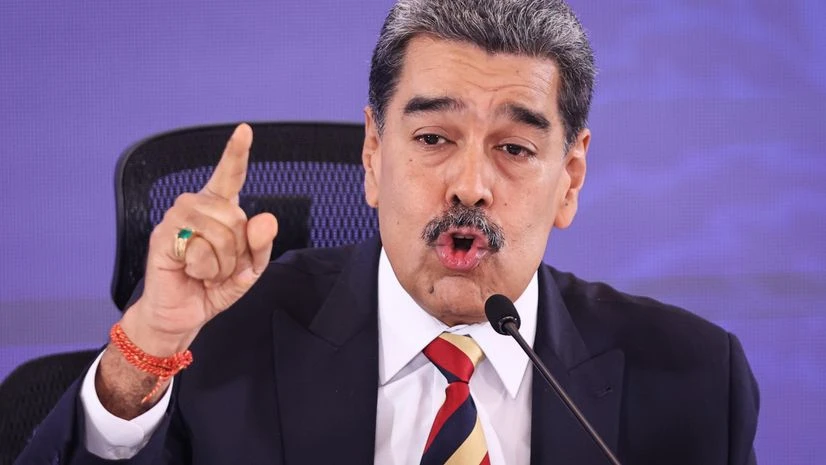
Venezuelan President Nicolas Maduro has indicated a willingness to engage in talks with the United States on combating drug trafficking, signaling a potential opening in long-strained bilateral relations. However, his comments were notably silent on allegations surrounding a U.S. military operation announced the same day his interview was recorded, raising questions about the limits of this diplomatic outreach.
The interview, taped on New Year’s Eve, coincided with a U.S. military announcement confirming strikes against five boats alleged to be involved in drug smuggling operations. According to U.S. officials, the vessels were intercepted in international waters as part of ongoing counter-narcotics efforts. While Washington framed the action as a routine operation targeting transnational drug networks, reports and speculation about intelligence involvement, including alleged CIA coordination, quickly surfaced.
During the interview, Maduro emphasized that Venezuela remains open to dialogue with the United States on shared security concerns, particularly drug trafficking. He argued that cooperation, rather than confrontation, is the most effective way to address organized crime in the region. Maduro also reiterated Venezuela’s position that it is a victim of drug trafficking routes rather than a primary source, blaming regional instability and neighboring transit corridors for the flow of narcotics.
Despite this conciliatory tone, Maduro avoided addressing the U.S. military strikes directly. He made no reference to the alleged CIA role or the timing of the operation, even though the announcement came on the same day the interview was recorded. This silence stood out, especially given Caracas’ history of sharply criticizing U.S. military and intelligence actions in Latin America.
Analysts suggest the omission may have been deliberate. By focusing on the possibility of talks while sidestepping the strikes, Maduro may be attempting to keep diplomatic channels open without escalating tensions. Venezuela and the U.S. have maintained limited engagement in recent years, largely centered on sanctions relief, migration, and security concerns, despite the absence of full diplomatic normalization.
The U.S. strikes themselves highlight the broader challenges facing regional counter-narcotics efforts. Maritime drug trafficking remains a key route for criminal organizations, and U.S. forces regularly conduct operations aimed at disrupting these networks. However, such actions often draw political backlash, particularly from governments that view them as infringements on sovereignty or as tools of geopolitical pressure.
Maduro’s comments reflect a complex balancing act. On one hand, he seeks international legitimacy and relief from economic sanctions, which could be aided by cooperation on drug enforcement. On the other, acknowledging or criticizing U.S. military actions risks inflaming nationalist sentiment or undermining the image of Venezuelan sovereignty.
As the new year begins, Maduro’s openness to talks presents a potential opportunity for cautious engagement between Caracas and Washington. Whether this leads to substantive cooperation will depend on how both sides navigate sensitive issues like intelligence operations, military actions, and mutual distrust. For now, the contrast between diplomatic overtures and strategic silence underscores the fragile and uncertain nature of U.S.-Venezuela relations.
)
Note: Content and images are for informational use only. For any concerns, contact us at info@rajasthaninews.com.

Previous Post

Next Post
"Peter Dutton Affirm...
Related Post