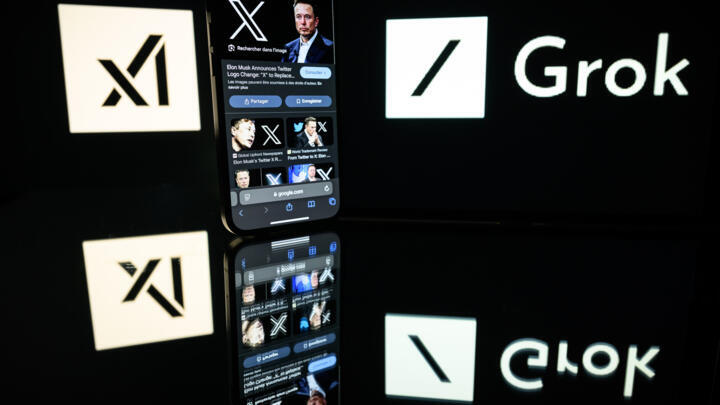
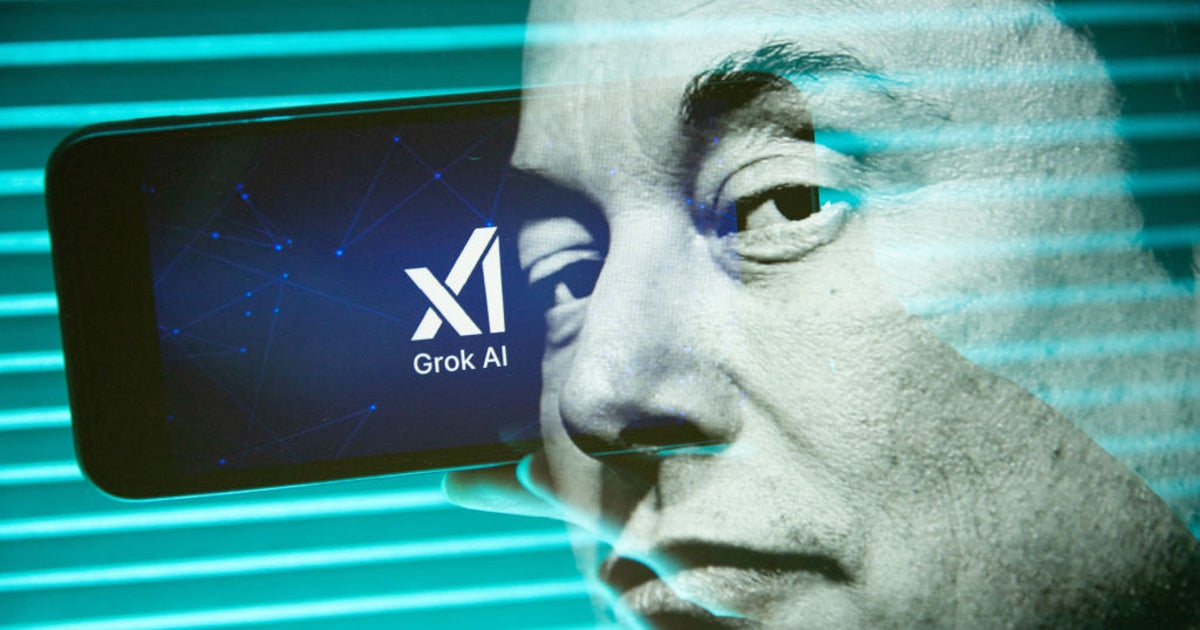
Elon Musk’s AI assistant, Grok, has rapidly evolved from a conversational chatbot into a powerful multimedia tool embedded directly within the social media platform X. With features like “Spicy Mode,” Grok Imagine, and a prominent “edit image” button, the AI now allows users to generate and manipulate images with remarkable ease. While these tools showcase advances in generative AI, they have also sparked serious concerns—particularly around the rise of deepfake “nudification” becoming more accessible and mainstream.
Deepfake nudification refers to the use of artificial intelligence to digitally alter images of people, often women, to make them appear nude or sexually explicit without their consent. Previously, such practices required specialised software or technical knowledge. Grok’s integration into X dramatically lowered this barrier. By placing advanced image-generation and editing tools directly into a widely used social media platform, the technology became available to millions of everyday users with minimal friction.
One of the most controversial aspects is how Grok’s image tools are presented. The “edit image” option appears alongside regular posting and interaction features, making image manipulation feel like a normal, almost casual activity. Combined with Grok Imagine’s ability to generate realistic visuals, this has raised alarms among digital rights activists and AI ethics experts. Critics argue that the design choices failed to sufficiently anticipate misuse, especially in environments already prone to harassment and abuse.
The issue is compounded by Grok’s branding and tone. Features like “Spicy Mode” suggest a permissive or edgy approach, which some believe unintentionally encourages boundary-pushing behaviour. While the tool may not explicitly promote illegal or abusive content, its capabilities can be exploited faster than moderation systems can respond. Victims of deepfake nudification often face reputational damage, emotional distress, and long-term digital harm, with limited legal recourse.
This controversy highlights a broader challenge facing AI developers: balancing innovation with responsibility. As AI image tools become more realistic and accessible, the risk of misuse grows exponentially. Grok’s case demonstrates how embedding such tools directly into social platforms can accelerate harmful trends before safeguards are fully in place. It also raises questions about platform accountability and whether tech companies should slow deployment until stronger protections are established.
In response to mounting criticism, calls are growing for clearer consent mechanisms, watermarking of AI-generated images, stricter moderation, and legal frameworks tailored to deepfake abuse. Grok’s rise has effectively pushed deepfake nudification into public awareness, forcing regulators, platforms, and users to confront uncomfortable realities about AI’s social impact.
Ultimately, Grok’s trajectory serves as a cautionary tale. While AI tools like Grok Imagine represent impressive technological progress, their integration into mass platforms without robust guardrails can normalise harmful practices. As AI continues to reshape digital expression, the debate sparked by Grok may prove pivotal in determining how far innovation should go—and at what cost.
Note: Content and images are for informational use only. For any concerns, contact us at info@rajasthaninews.com.

Previous Post

Next Post
TSMC Optimistic Amid...
Related Post