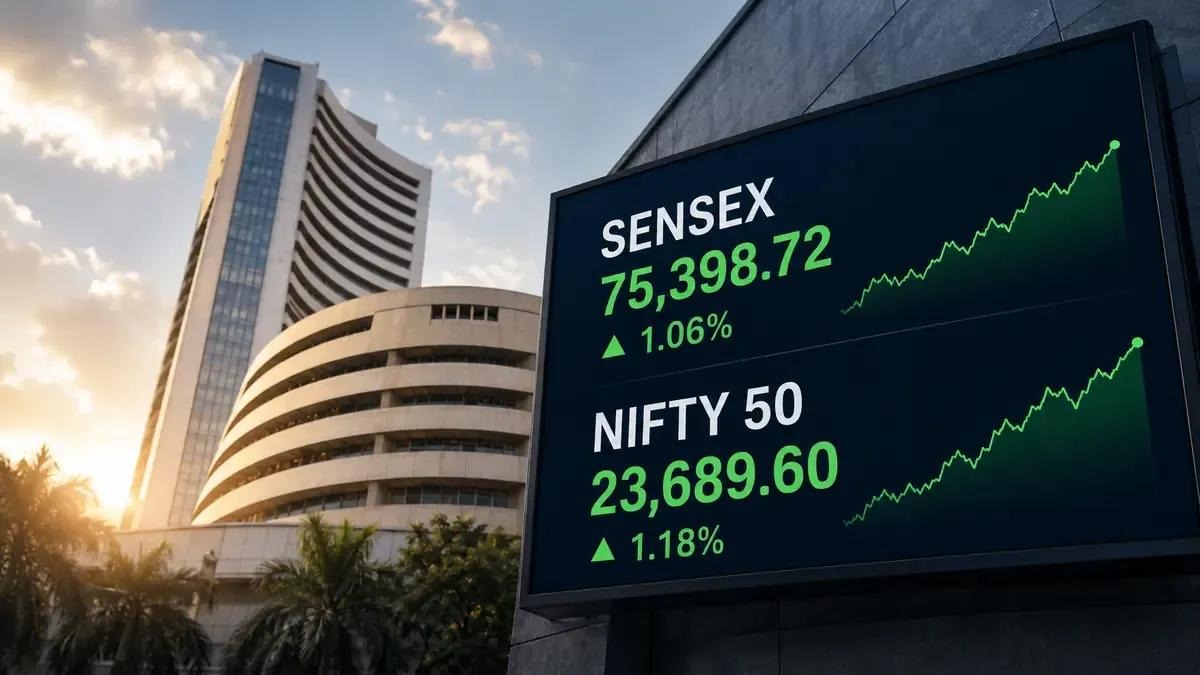

In the dawn of its public listing, Lenskart Solutions seemed primed to shine. A major Indian eyewear retailer, a strong growth story, a market ripe for organised retail expansion – all the elements of a successful IPO were present. Yet when the bells rang and the shares began trading, something didn’t tip the way early investors hoped. Instead of a celebratory pop, the stock slipped below its issue price. What went wrong? Let’s wander through the story—step by step.
Setting the stage
Lenskart, founded in 2010 (as an online retailer evolving into omni-channel), tapped a large, under-penetrated Indian eyewear market. The atmosphere was charged: investors expected gains, the IPO was very well subscribed. The price band was set at ₹382-₹402 per share. At the upper band, the company was valued at roughly ₹70,000 crore (≈ US$7.7–8 billion) in the IPO. The buzz was real.
The subscription metrics confirmed it: overall subscription ~28 times, huge interest from qualified institutional buyers (QIBs), non-institutional investors, retail. Yet, when listing day came – the thrill faded. The shares opened at ~₹395 on NSE (vs issue price ₹402) and ~₹390 on BSE – about 2-3% discount. Later, the price even dropped ~11% at one point. The Indian Express
If you had applied for the IPO hoping for a quick gain, you got little. And why exactly did this happen?
The core issues
1. Valuation gone wild
This is the heart of the matter. Even though Lenskart had a strong story, the market seemed to say: “Cool story, but you’ve already priced in all that growth.” At the upper band, the valuation multiples were steep. For example: some reports cited FY25 EV/Sales ~10.1× and EV/EBITDA ~68.7×. Investors felt the risk of execution needed to be huge to justify such valuation.
Analyst commentary was blunt: One note flagged low return on capital (RoCE ~9 %) and a capex-heavy model as warning signs. The Economic Times Another insisted that profit was recent, and much of that was “other income” rather than core recurring operations. Outlook Business
So yes: strong growth, but the price paid considered even greater growth — leaving little room for error.
2. Grey market premium collapse
Before listing, the so-called grey market premium (GMP) – an informal indicator of listing gains – was high (≈ ₹95 or more) suggesting ~24 % gain. But in the run-up to listing it collapsed sharply, signalling caution. When GMP shrinks, it often means the early investors expect little upside. That’s exactly what played out.
3. Profitability story is still young
Yes, Lenskart turned profitable in FY25 (net profit ~₹297 crore vs a loss of ₹64 crore two years before). But look closer: adjusted profits from core business were much lower; much of the profit came from “other income” (investments, one-off gains) rather than operating income. So, while growth is meaningful, sustainable profit and strong free cash flows are yet to be firmly proven. Investors taking the listing as a quick money-machine misread the situation.
4. Market expectation vs reality
When you subscribe to an IPO expecting a pop, you’re living by hopes. But markets (especially for newly listed companies) often punish any sign that the “wow” story is already priced in. For Lenskart: a large portion of growth had already been foreshadowed; the listing didn’t leave many bones for the early investors. The story may still unfold in years, but short-term gain was muted.

5. Execution, competition & global expansion risks
Lenskart’s model is omni-channel with aggressive store expansion, manufacturing integration, global markets (Singapore, UAE, US). That’s positive. But with that comes risk: store openings cost capex, global expansion has costs, margins can get squeezed, competition is rising. Some analysts flagged that these risks should have been reflected in a discounted valuation.
What does this mean for an investor?
So if you were part of this IPO, what should you take away?
If you were short-term, hoping for immediate listing gains — you got burned. The market showed you can’t assume “hype = instant profit”.
If you’re long-term, you might still have a piece of an interesting business. Lenskart occupies a large potential market, with an established brand, improving margins, etc. But long-term means years, not days.
Always ask: “Am I paying today for all of tomorrow’s growth?” If yes, then error margin is small. If growth falters, you lose. That’s what happened here: valuation left little margin for error.
IPO listings are often about sentiment, valuation, and profit proof. Here one leg (proof) was weaker, another (valuation) was stretched. Hence the weak debut.
The takeaway
In the traditional investor’s lens: don’t just believe the buzz. Strong story? Great. But the price you pay today determines the return tomorrow. Lenskart’s IPO taught that even a highly subscribed issue backed by a strong business can list lower than expected if the market thinks the valuation is too rich and the profit story too nascent.
So yes: for early investors in Lenskart, the vision was bright — but the timing for reward was not aligned to the listing day. Instead, the debut hinted at patience rather than a quick win.
Note: Content and images are for informational use only. For any concerns, contact us at info@rajasthaninews.com.

Previous Post

Next Post
जयपुर मे सोने और चां...
Related Post