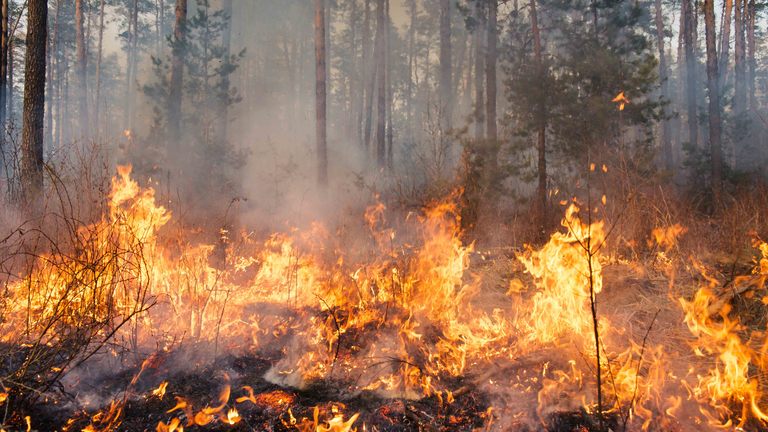
Australia and the United States are experiencing significant wildfire impacts, as large-scale blazes continue to threaten communities, damage ecosystems, and strain emergency response systems. Authorities in both countries have reported widespread destruction, evacuations, and hazardous air quality, underlining the increasing severity and frequency of wildfires linked to changing climate patterns.
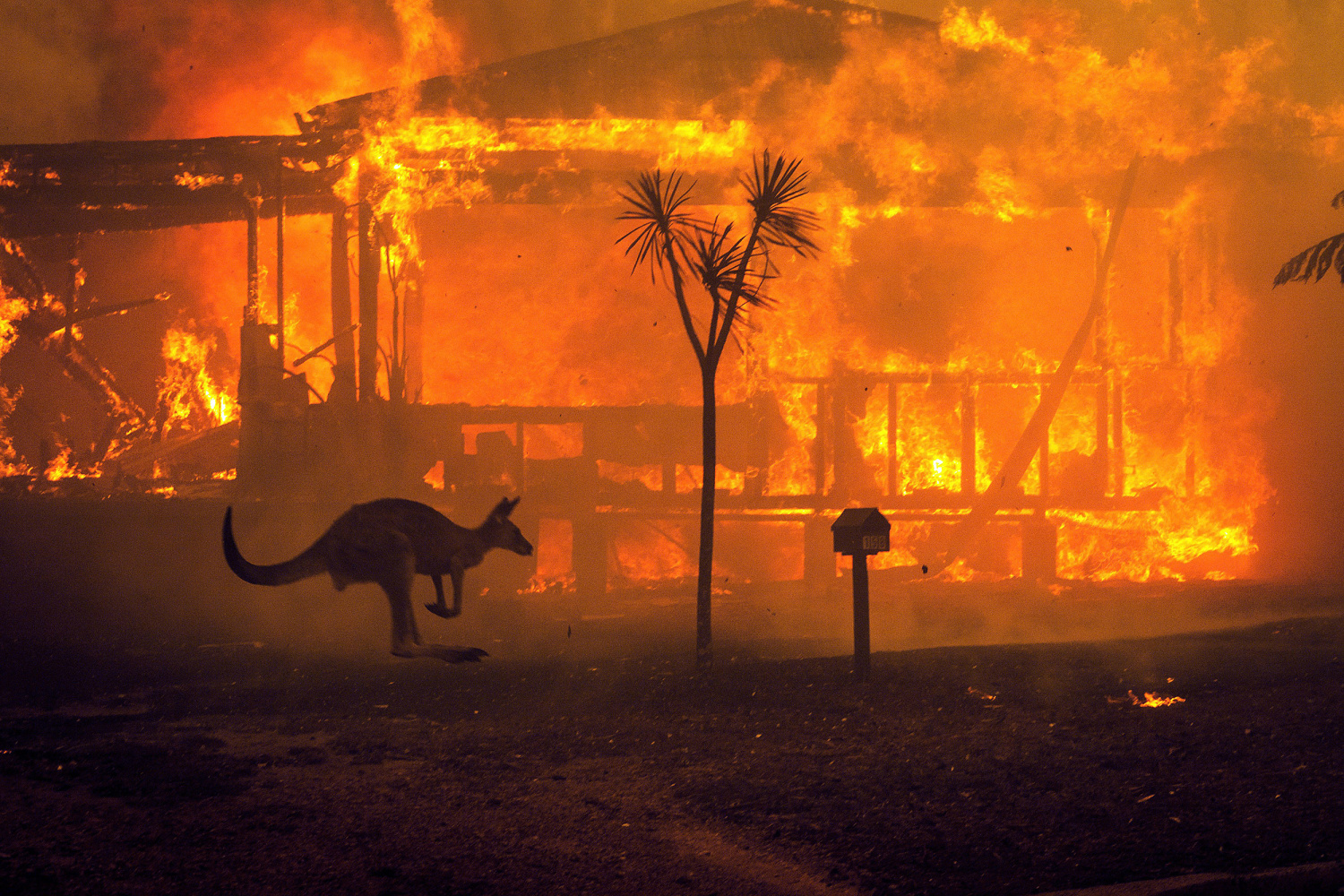
In Australia, wildfires have affected several regions during the peak fire season, with dry vegetation, high temperatures, and strong winds creating dangerous conditions. Firefighters have been battling rapidly spreading fires across bushland areas, forcing residents in vulnerable zones to evacuate. Officials have warned that prolonged droughts and heatwaves are contributing to longer and more intense fire seasons, making containment efforts increasingly challenging.
Wildfires in Australia pose a severe threat to biodiversity, as the country is home to unique ecosystems and wildlife found nowhere else in the world. Large-scale fires can destroy habitats, displace animal populations, and disrupt ecological balance for years. Environmental experts have cautioned that repeated fire events reduce the natural ability of forests to recover, potentially leading to long-term degradation of landscapes.
Meanwhile, the United States is also grappling with major wildfire outbreaks, particularly in western states where dry conditions and heat have combined with strong winds. Thousands of firefighters have been deployed to contain blazes that have burned vast stretches of land, destroyed homes, and disrupted infrastructure. Smoke from these fires has led to air quality alerts in several cities, affecting public health far beyond the immediate fire zones.
U.S. officials have pointed to a combination of factors behind the growing wildfire crisis, including prolonged drought, rising temperatures, and forest management challenges. In recent years, wildfires have increasingly spread into suburban and urban-adjacent areas, placing more communities at risk. Emergency services have had to carry out large-scale evacuations, while power outages have been used as a preventive measure to reduce fire ignition risks.
The economic cost of wildfires in both countries is substantial. Damage to property, agriculture, and critical infrastructure, along with the cost of firefighting operations, places a heavy burden on governments and insurance systems. Beyond financial losses, communities face long-term recovery challenges, including rebuilding homes, restoring livelihoods, and addressing mental health impacts on affected residents.
Climate scientists warn that unless global temperatures are stabilised, extreme fire events are likely to become more frequent and intense. Rising heat levels dry out vegetation, creating ideal fuel for wildfires, while unpredictable weather patterns complicate forecasting and preparedness. Both Australia and the United States have begun investing in early warning systems, controlled burns, and community awareness programmes to reduce risk, but experts stress that mitigation efforts must be scaled up.
The ongoing wildfire situations in Australia and the U.S. serve as stark reminders of the growing climate emergency. As fires continue to reshape landscapes and threaten lives, policymakers face increasing pressure to strengthen climate resilience, improve disaster preparedness, and address the underlying environmental factors driving these extreme events.
Note: Content and images are for informational use only. For any concerns, contact us at info@rajasthaninews.com.

Previous Post

Next Post
"इको-फ्रेंडली इनोवेश...
Related Post