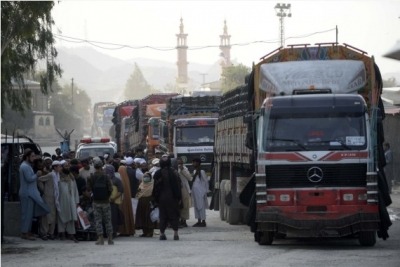
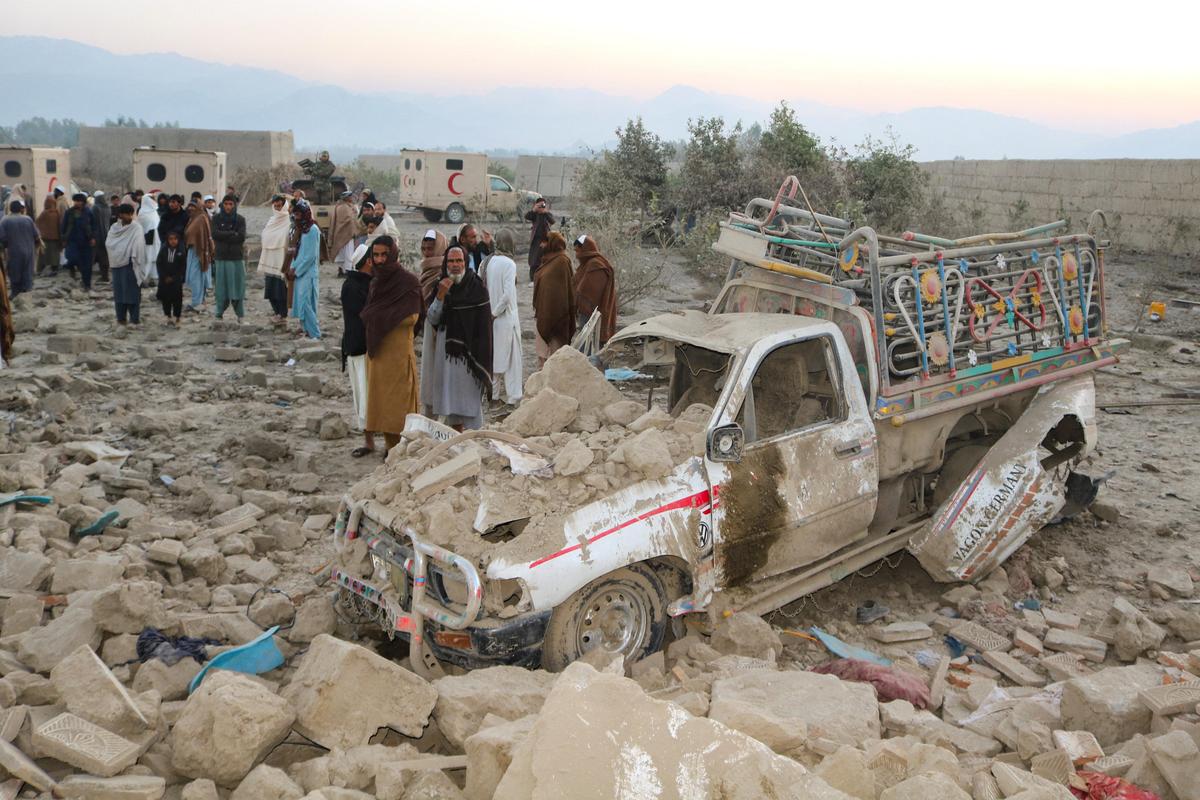
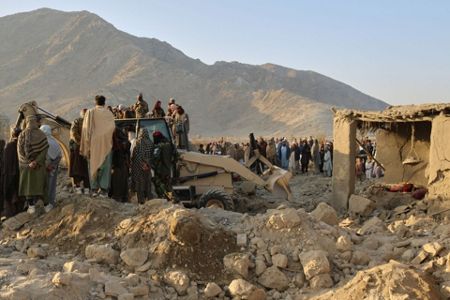
Tensions between Pakistan and Afghanistan have escalated sharply after Pakistan conducted a series of airstrikes targeting suspected militant camps along the porous Afghan border. According to Pakistani officials, the strikes resulted in the deaths of at least 70 militants and were launched in retaliation for recent suicide bombings that claimed multiple lives inside Pakistan.
The cross-border operation underscores growing security concerns in the region, particularly along the mountainous frontier that has long been a hotspot for insurgent activity. Pakistani authorities stated that intelligence reports had identified specific locations being used as safe havens by militant groups allegedly responsible for orchestrating attacks within Pakistani territory.
In recent months, Pakistan has witnessed a surge in suicide bombings and targeted assaults on security personnel and civilians. Officials have blamed militant networks operating from across the border, arguing that such groups exploit the rugged terrain and limited border control to plan and execute attacks. The latest airstrikes, therefore, were presented as a defensive and preventive measure aimed at dismantling militant infrastructure.
The situation is complicated by the historically sensitive relationship between the two neighboring countries. Border management disputes, refugee flows, and allegations of cross-border militancy have frequently strained diplomatic ties. While Pakistan insists the operation targeted specific militant elements, concerns remain about potential civilian casualties and the broader implications for regional stability.
Security analysts note that cross-border strikes can significantly heighten tensions and may prompt diplomatic protests or retaliatory measures. Afghanistan’s authorities have previously warned against unilateral military actions, emphasizing the need for coordination and dialogue to address shared security challenges.
The international community is closely monitoring the developments, as instability in the Pakistan-Afghanistan border region has wider implications for South Asian security. The area has historically served as a base for various militant factions, making it strategically sensitive for both countries and global counterterrorism efforts.
Pakistan’s military leadership maintains that the airstrikes were conducted with precision and aimed solely at militant camps linked to recent attacks. Officials argue that decisive action was necessary to protect national security and prevent further suicide bombings.
However, the escalating hostilities highlight the urgent need for diplomatic engagement and intelligence-sharing mechanisms between Islamabad and Kabul. Sustainable peace in the region will depend not only on military responses but also on long-term cooperation, border security reforms, and efforts to counter radicalization.
As the situation continues to unfold, both nations face the challenge of balancing security priorities with regional stability. The recent strikes mark another critical chapter in the complex and often volatile relationship between Pakistan and Afghanistan, with potential consequences that could extend beyond their shared border.
Note: Content and images are for informational use only. For any concerns, contact us at info@rajasthaninews.com.

Previous Post

Next Post
"Peter Dutton Affirm...
Related Post