New scientific research has revealed that changes in ocean salinity may be intensifying El Niño events, raising concerns about the potential impact on the Indian monsoon and drought conditions across parts of India. Climate experts warn that stronger El Niño episodes could significantly disrupt rainfall patterns, with some projections suggesting up to a 60% likelihood of drought in certain regions.
El Niño is a natural climate phenomenon characterized by the warming of sea surface temperatures in the central and eastern Pacific Ocean. This warming affects atmospheric circulation and weather systems across the globe. For India, El Niño events are particularly significant because they often weaken the southwest monsoon, the seasonal rainfall system that provides nearly 70–80% of the country’s annual precipitation.
The new research indicates that variations in ocean salinity—essentially the concentration of salt in seawater—may play a larger role in strengthening El Niño than previously understood. Scientists have observed that shifts in salinity levels can influence ocean density and circulation patterns, which in turn affect how heat is distributed in the Pacific Ocean. When certain regions accumulate more warm water due to these changes, it can intensify El Niño conditions.
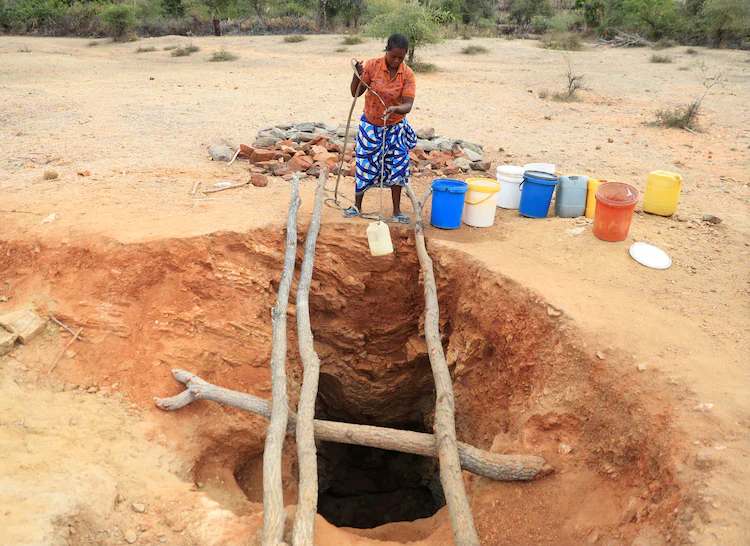
A stronger El Niño typically alters atmospheric pressure systems and weakens the monsoon winds that bring moisture from the Indian Ocean toward the Indian subcontinent. As a result, rainfall becomes less consistent and often significantly below average, especially in central, western, and northwestern India. These areas are already vulnerable to water shortages and agricultural stress during weak monsoon years.
India’s agricultural sector is particularly sensitive to monsoon variability. Nearly half of the country’s farmland depends directly on rainfall rather than irrigation, meaning a weak monsoon can quickly translate into crop losses, water shortages, and rising food prices. Crops such as rice, pulses, and oilseeds are especially vulnerable to reduced rainfall during critical growing periods.
Researchers warn that the interaction between ocean salinity changes and climate variability may make El Niño events more unpredictable and potentially stronger in the future. If such patterns continue, India could face more frequent drought-like conditions during El Niño years, increasing pressure on water resources and food systems.
Meteorological agencies and climate scientists are now closely monitoring Pacific Ocean conditions to assess the likelihood and intensity of upcoming El Niño events. Improved forecasting models are also being developed to better understand how ocean salinity interacts with temperature and atmospheric circulation.
Experts emphasize that while El Niño does not guarantee drought every time, its strengthening could significantly increase the risk of weaker monsoons and regional droughts. Governments and policymakers are being urged to prepare for possible water stress by improving irrigation infrastructure, water conservation strategies, and climate-resilient agricultural practices.
The new findings highlight how subtle changes in ocean chemistry and circulation can have far-reaching consequences for global weather systems, particularly in monsoon-dependent countries like India. As climate research advances, understanding these complex interactions will be critical for predicting future weather patterns and protecting vulnerable communities.

Note: Content and images are for informational use only. For any concerns, contact us at info@rajasthaninews.com.

Previous Post

Next Post
"Peter Dutton Affirm...
Related Post