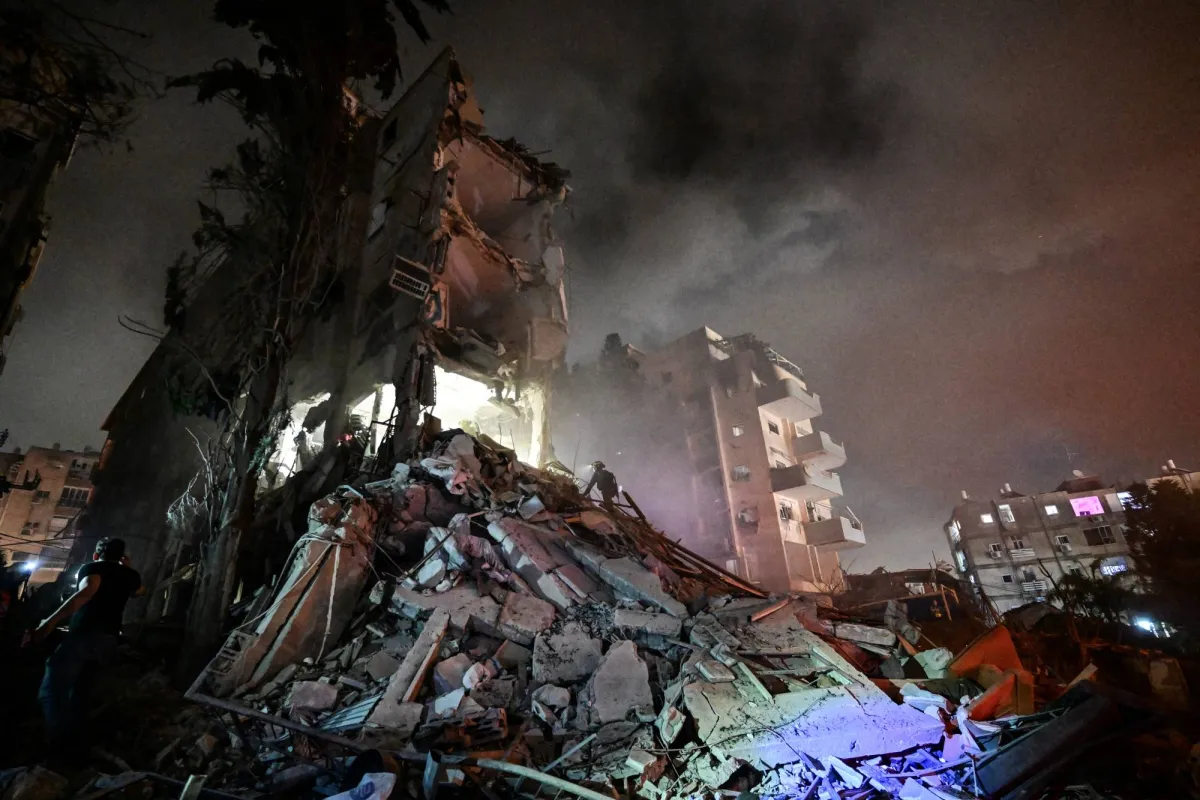
Tensions in the Middle East have sharply intensified following a series of Israeli air strikes in Lebanon that reportedly killed at least 10 people, including a senior leader of Hezbollah. The escalation has heightened regional instability, raising concerns about the potential for a broader conflict involving multiple countries.
According to reports, the strikes were conducted by Israel as part of its ongoing efforts to counter perceived security threats from armed groups operating in Lebanon. Israeli officials have frequently accused Hezbollah of increasing military activity along the border and stockpiling advanced weapons. The latest operation appears to be one of the most significant targeted actions in recent months, particularly given the reported death of a senior Hezbollah figure.
Hezbollah, a powerful political and military organization based in Lebanon, has long been a central actor in regional conflicts and maintains strong ties with Iran. Any direct targeting of its leadership risks triggering retaliation, potentially escalating into cross-border clashes between Israel and Hezbollah forces.
Amid these developments, former U.S. President Donald Trump has reportedly warned that a “limited strike” on Iran could be considered if diplomatic efforts to secure a nuclear agreement fail. Trump’s remarks add another layer of uncertainty to an already volatile situation. The possibility of U.S. military action, even if described as limited, could significantly impact diplomatic negotiations surrounding Iran’s nuclear program.
The broader geopolitical context remains fragile. Iran’s nuclear ambitions have been a persistent source of international tension, particularly after the withdrawal of the United States from the 2015 nuclear agreement during Trump’s presidency. Since then, negotiations to revive or reshape the deal have faced repeated setbacks. Any military action targeting Iran could further complicate diplomatic channels and deepen divisions among global powers.
Regional analysts warn that simultaneous tensions involving Israel, Lebanon, and Iran create a highly combustible environment. A targeted strike, retaliatory action, or miscalculation could quickly expand into a larger confrontation involving proxy groups and allied nations. The involvement of global powers, including the United States, increases the stakes considerably.
International calls for restraint have grown louder, with many urging diplomatic solutions to prevent further escalation. Stability in the Middle East remains critical not only for regional security but also for global energy markets and international trade routes.
As events continue to unfold, the situation underscores the delicate balance between military strategy and diplomatic engagement. With rising hostilities and strong rhetoric from multiple sides, the coming weeks may prove decisive in determining whether tensions de-escalate through negotiation or intensify into a broader conflict.

Note: Content and images are for informational use only. For any concerns, contact us at info@rajasthaninews.com.

Previous Post

Next Post
"Peter Dutton Affirm...
Related Post