Environment
Is Air Pollution a South Asian Crisis? Understanding the 2024 India-Pakistan Smog and Its Regional Impact
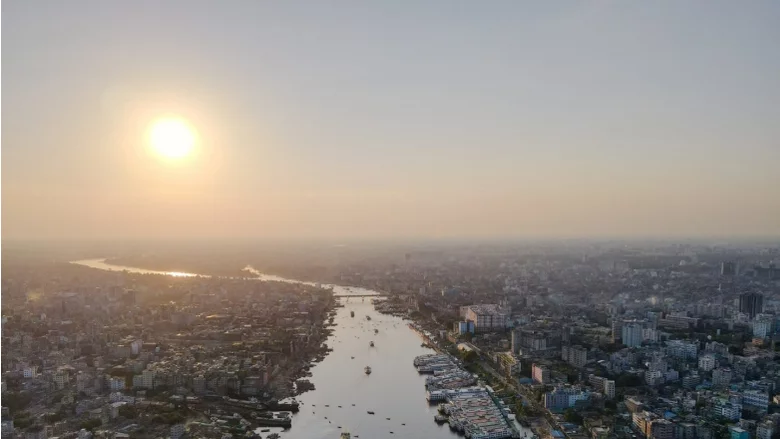
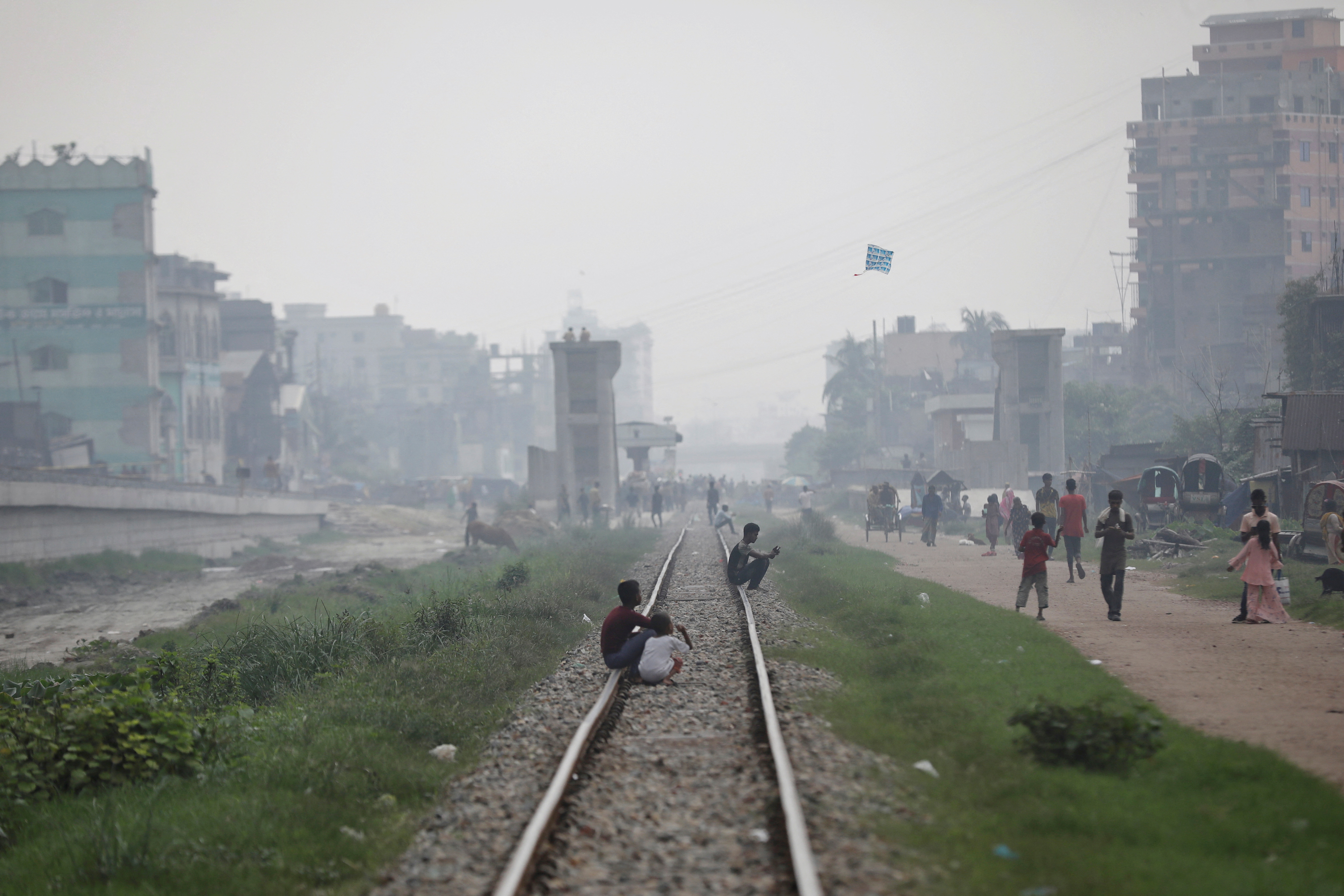
Air pollution has reached alarming levels across South Asia, turning into one of the region’s most urgent environmental and public-health crises. Countries like India, Pakistan, Bangladesh, and Nepal routinely record some of the highest PM2.5 concentrations in the world. The situation worsens each winter when smog blankets the region, disrupting daily life, damaging health, and weakening economic productivity. The problem came into sharp focus once again during the 2024 India-Pakistan smog, which dominated international headlines and highlighted how pollution has evolved into a shared regional emergency.
The 2024 India-Pakistan smog event was particularly severe, gripping large parts of the Indo-Gangetic Plain. Cities such as Delhi, Lahore, Gurugram, and Faisalabad recorded “hazardous” air quality levels for consecutive days. Visibility dropped sharply, respiratory illnesses surged, schools were forced to shut down, and flights were delayed or diverted. This smog episode was caused by a combination of factors—post-harvest crop stubble burning, vehicle emissions, industrial pollutants, construction dust, and winter weather patterns that trap pollutants close to the ground. The event reinforced one key truth: air pollution in South Asia is not confined within national boundaries but spreads across a shared airshed.
The issue is further underscored by findings from the Greenpeace 2023 World Air Quality Report, which placed South Asian countries among the most polluted globally. India, Pakistan, and Bangladesh featured prominently on the list of nations with the worst PM2.5 levels, far exceeding the World Health Organization’s recommended limits. Many South Asian cities recorded annual air quality levels up to 10–20 times higher than the safe threshold. The report also highlighted gaps in monitoring networks, meaning the actual exposure could be even higher in areas with limited data.
Beyond being an environmental and health challenge, deteriorating AQI levels pose a significant economic threat to India. Poor air quality reduces labour productivity, increases sick days, strains healthcare systems, and lowers overall economic output. Studies estimate that air pollution costs India billions of dollars every year—through lost working hours, reduced agricultural yield, and long-term health damage. Sectors like tourism, aviation, and outdoor labour-intensive industries suffer heavily during smog periods. Air pollution also lowers learning outcomes in children, impacting future human capital.
To address this crisis, South Asia needs a coordinated and multi-layered strategy. Strengthening air-quality monitoring, transitioning to cleaner fuels, enforcing stricter industrial norms, upgrading public transport, and incentivising alternatives to crop burning are essential. Regional cooperation is equally important, as pollution does not recognize borders. Joint action plans, data sharing, and cross-border emergency protocols can significantly reduce peak smog levels.
In conclusion, air pollution in South Asia is now a sweeping regional crisis with health, economic, and social implications. The 2024 smog event and global data underline the urgent need for bold, collective action to secure a cleaner, healthier future for the region.
Note: Content and images are for informational use only. For any concerns, contact us at info@rajasthaninews.com.

Previous Post

Next Post
"इको-फ्रेंडली इनोवेश...
Related Post