Environment
India Steps Up Environmental Action as BRICS Meeting and Pollution Concerns Take Centre Stage
_1787743895.jpg)
India Pushes Stronger Environmental Cooperation
New Delhi: Environmental issues are receiving renewed attention in India as the country continues to push for stronger international cooperation on climate change, pollution control and sustainable development.
India recently hosted the 12th BRICS Environment Ministers' Meeting in New Delhi, where discussions focused on stronger, people-centred approaches to environmental protection and sustainable development.
The discussions come at a time when countries are facing increasing pressure from extreme weather, air pollution, water stress and climate-related risks.
BRICS Countries Focus on Environmental Challenges
The BRICS framework has increasingly become an important platform for discussing environmental and climate-related issues.
Countries within the grouping face many different environmental challenges, including air pollution, water shortages, extreme temperatures, deforestation and pressure on natural resources.
Cooperation between these countries can help in sharing technology, scientific knowledge and policy experience.
India's participation reflects its broader effort to balance economic development with environmental sustainability.
Air Pollution Remains a Major Urban Challenge
Air pollution continues to be one of India's most serious environmental concerns.
A recent report from Mumbai has highlighted how city-wide air-quality readings can sometimes hide significant differences between individual neighbourhoods. Experts are calling for more hyperlocal pollution monitoring and policies because pollution levels can vary considerably from one area to another.
This issue is particularly important for large cities where traffic, construction, industrial activity and other sources can create pollution hotspots.
Why Hyperlocal Monitoring Matters
A single air-quality reading for an entire city may not accurately represent the conditions experienced by every resident.
One neighbourhood could have relatively cleaner air while another area near a busy road or industrial zone could experience considerably higher pollution.
Hyperlocal monitoring could allow authorities to identify these hotspots more accurately.
It could also help governments develop targeted measures rather than applying exactly the same strategy across an entire city.
Extreme Weather Adds to Environmental Concerns
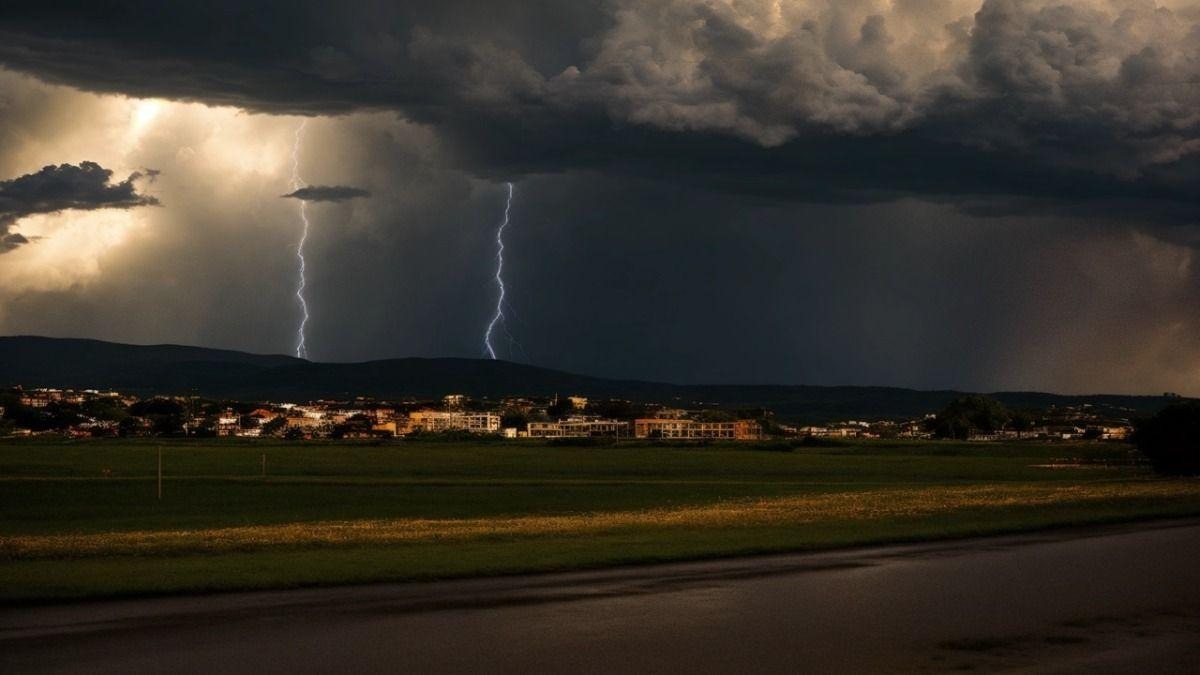
Environmental concerns are also being highlighted by severe weather events across the region.
A flash flood in the Himalayan border areas of Nepal and Tibet killed at least nine people on August 26, with villages and infrastructure damaged by torrential flooding.
The Himalayan region has experienced several deadly floods, landslides and other disasters in recent years.
Climate change, changing rainfall patterns and rapid infrastructure development are among the factors being examined when assessing the region's growing environmental vulnerability.
India Faces a Difficult Climate Balance
India faces a complicated environmental challenge.
The country needs rapid economic growth, infrastructure development and industrial expansion while also attempting to reduce pollution and protect natural resources.
Balancing these objectives requires investment in cleaner technologies, renewable energy and more sustainable urban planning.
Environmental policy therefore cannot be separated from economic policy.
Green Growth Becomes Increasingly Important
The idea of green growth is gaining importance as countries attempt to expand their economies while reducing environmental damage.
India has been exploring opportunities in renewable energy, electric mobility, clean technology and sustainable infrastructure.
International cooperation can help accelerate this transition by making new technologies and financing mechanisms more accessible.
Waste Management Remains Critical
Another major environmental issue is waste management.
Rapid urbanisation and rising consumption are generating increasing amounts of solid waste.
Poorly managed waste can contaminate land and water and can also contribute to air pollution when waste is burned.
Improving waste segregation, recycling and treatment systems will therefore remain important for Indian cities.
Water Security Is Also a Growing Concern
Environmental policy is not limited to air pollution.
Water availability and water quality are becoming increasingly important as climate patterns change and demand grows.
Urban areas need stronger systems for wastewater treatment, rainwater management and conservation.
Rural communities also depend heavily on reliable water supplies for agriculture and livelihoods.
Technology Could Help Solve Environmental Problems
Technology is becoming an important tool in environmental management.
Satellite monitoring, artificial intelligence, sensors and data analytics can help authorities track pollution, monitor forests and identify environmental changes.
India's growing technology sector could play an important role in developing such solutions.
Better environmental data can also help governments make more targeted policy decisions.
Public Participation Remains Important
Government policies alone cannot solve environmental problems.
Citizens also play an important role through responsible waste disposal, energy conservation, public transport use and reduced consumption of single-use products.
Businesses can contribute by adopting cleaner production methods and reducing emissions.
Environmental protection therefore requires cooperation between governments, companies and communities.
India and the Global Climate Debate
India remains an important participant in international climate negotiations because of its large population, rapidly growing economy and expanding energy requirements.
The country has argued for climate action that also recognises the development needs of emerging economies.
The challenge will be to expand access to energy and economic opportunities while gradually reducing environmental damage.
The Road Ahead
Environmental challenges are likely to become increasingly connected with India's economic and social development.
Air pollution affects public health, extreme weather can damage infrastructure, water shortages can affect agriculture and rising temperatures can increase pressure on cities.
This means environmental protection is no longer simply a conservation issue.
It has become an important part of economic planning, public health and national development.
Conclusion
India's environmental agenda is gaining greater importance as the country combines international climate cooperation with efforts to tackle domestic pollution and environmental risks.
The recent BRICS Environment Ministers' Meeting highlighted the importance of stronger cooperation on environmental challenges, while concerns over urban pollution and Himalayan extreme-weather events demonstrate the scale of the problems facing the region.
For India, the long-term challenge will be to maintain economic growth while building cleaner cities, protecting natural resources and preparing communities for a changing climate.
Environmental action is increasingly becoming a central part of India's development strategy rather than a separate issue.
Note: Content and images are for informational use only. For any concerns, contact us at info@rajasthaninews.com.

Previous Post

Next Post
"इको-फ्रेंडली इनोवेश...
Related Post