General
IAS Tina Dabi Faces Online Backlash as Instagram Flooded with ‘Reel Star’ Jibes After Students Allege Detention

The Indian Administrative Service has long been seen as the steel frame of the nation—silent, disciplined, and distant from the noise of everyday life. But in the age of Instagram reels and viral outrage, even the most powerful bureaucrats are no longer insulated from public scrutiny. IAS officer Tina Dabi, once celebrated as a symbol of academic brilliance and administrative promise, now finds herself at the center of a social media storm that refuses to die down.
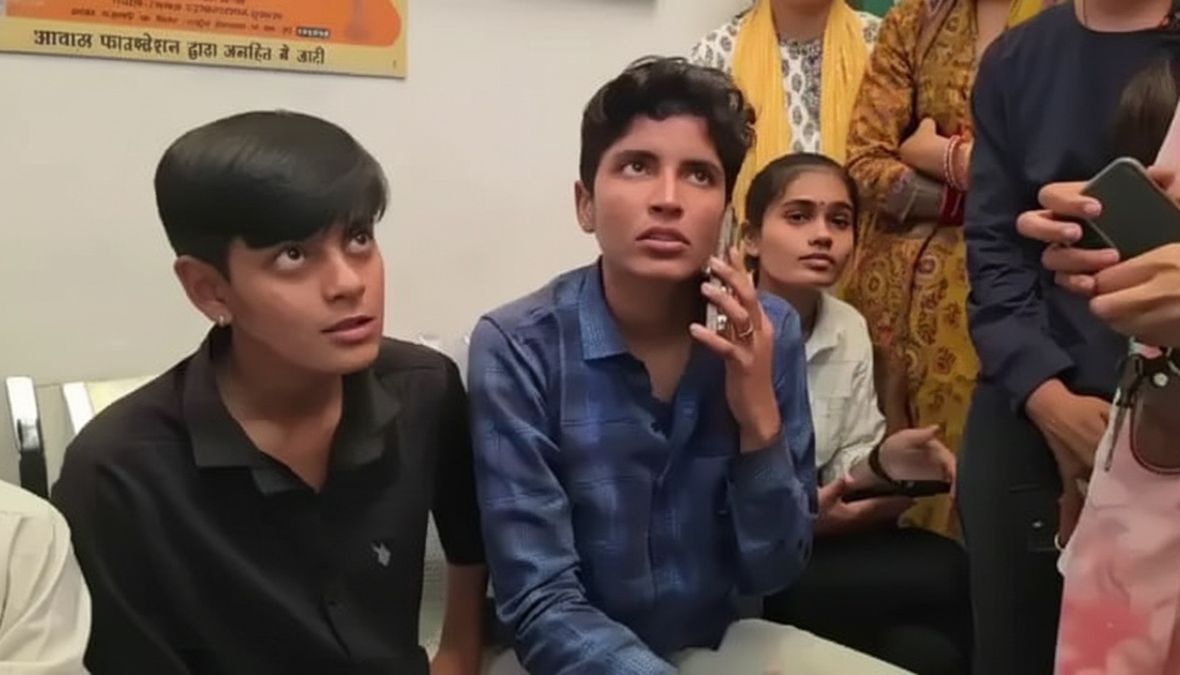
Her Instagram, usually filled with polished reels, official moments, and lifestyle snippets, has recently been overwhelmed by a wave of sarcastic and biting comments. Words like “Reel star,” “Influencer madam,” and “Instagram collector” dominate the comment sections—far removed from the admiration she once enjoyed. This sudden shift in public mood comes after students alleged that they were detained following a protest, claims that have ignited outrage both online and offline.
From Topper to Target of Trolls
Tina Dabi is not just any IAS officer. She topped the UPSC Civil Services Examination in 2015, instantly becoming a household name. For millions of aspirants, she represented hope—the idea that intelligence, discipline, and perseverance could still break barriers. Her journey, her marriage, her postings—everything about her life has been under a constant public lens.
But fame in modern India is a double-edged sword. The same social media platforms that helped build her public image are now being used to question her authority, priorities, and style of governance.
The Allegations That Sparked the Fire
The controversy erupted after a group of students claimed that they were detained by authorities during a protest related to administrative grievances. While official statements have remained cautious and measured, the students’ allegations spread rapidly across social media platforms. Screenshots, videos, and personal testimonies began circulating, creating a narrative that quickly snowballed.
As Tina Dabi currently holds a key administrative position, public anger naturally gravitated toward her—fair or not. In the court of public opinion, nuance is often the first casualty.
Instagram Turns Into a Courtroom
What followed was predictable in today’s digital ecosystem. Netizens took to Tina Dabi’s Instagram, flooding her posts with comments dripping in sarcasm. The phrase “Reel star” emerged as a recurring jab, implying that the officer was more focused on social media presence than ground-level governance.
Some users questioned whether civil servants should maintain such active personal social media profiles at all. Others accused her of cultivating a celebrity image while allegedly failing to address serious administrative concerns. The comment sections, once full of praise and heart emojis, transformed into virtual protest banners.
Power, Perception, and Public Anger
This episode highlights a deeper, uncomfortable truth: public trust in institutions is fragile. When students—often seen as the moral compass of dissent—claim injustice, emotions run high. In such moments, symbols of authority become lightning rods for anger.
Whether the allegations hold legal or administrative weight is a matter for inquiry. But perception, especially online, operates on a different rulebook. Silence is interpreted as arrogance. Visibility is seen as vanity. And social media activity becomes evidence—real or imagined—of misplaced priorities.
The Social Media Dilemma for Bureaucrats
The controversy has reopened a long-standing debate: should IAS officers be active on social media?
Supporters argue that platforms like Instagram humanize administrators, making governance more transparent and accessible. Critics counter that such visibility blurs professional boundaries and invites unnecessary controversy. Tina Dabi’s case is now being cited as a cautionary tale in bureaucratic circles.
In a profession built on restraint and discretion, the aesthetics of reels and captions can clash sharply with public expectations of seriousness and neutrality.
Silence, Strategy, or Damage Control?
As of now, Tina Dabi has not directly addressed the “Reel star” comments or the online backlash. Her posts remain unchanged, and no clarification has been issued on Instagram regarding the students’ allegations. This silence has only fueled speculation.
Some see it as a strategic decision—avoiding further escalation. Others interpret it as indifference. In the digital age, silence is rarely neutral.
A Mirror to Society
Beyond one officer or one incident, this controversy reflects something larger. It exposes a society increasingly impatient with authority, deeply skeptical of power, and brutally honest online. Respect is no longer automatic; it must be constantly earned and visibly maintained.
For India’s civil servants, the message is loud and clear: the public is watching, commenting, and judging in real time.
What Lies Ahead
The coming days will determine whether this episode fades into the endless scroll of internet outrage or becomes a defining moment in Tina Dabi’s administrative career. Investigations, official clarifications, or policy responses could shift the narrative. Or the internet may simply move on to the next controversy, leaving behind digital scars.
One thing is certain—the era of the untouchable bureaucrat is over. In today’s India, power walks hand in hand with visibility, and visibility invites accountability, sarcasm, and sometimes cruelty.
Conclusion
IAS Tina Dabi’s Instagram backlash is not just about reels or comments. It is about the collision of governance and social media, authority and accessibility, tradition and a generation that refuses to stay silent. The “Reel star” jibe may fade, but the questions it raises will linger.
Because in this age, the file moves slowly—but the comment section never sleeps.
Note: Content and images are for informational use only. For any concerns, contact us at info@rajasthaninews.com.
Previous Post

Next Post
GST कटौती का बड़ा फा...
Related Post