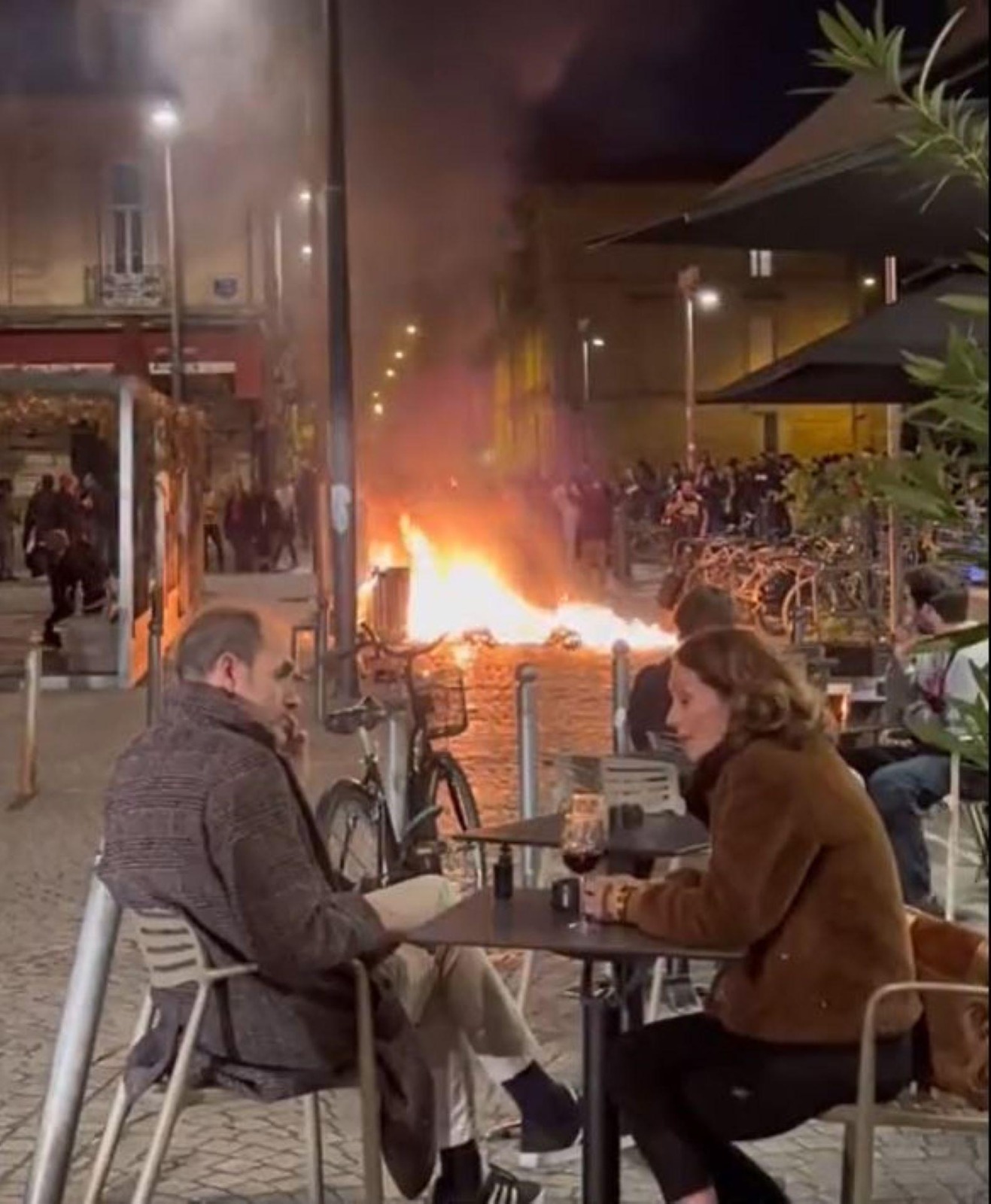
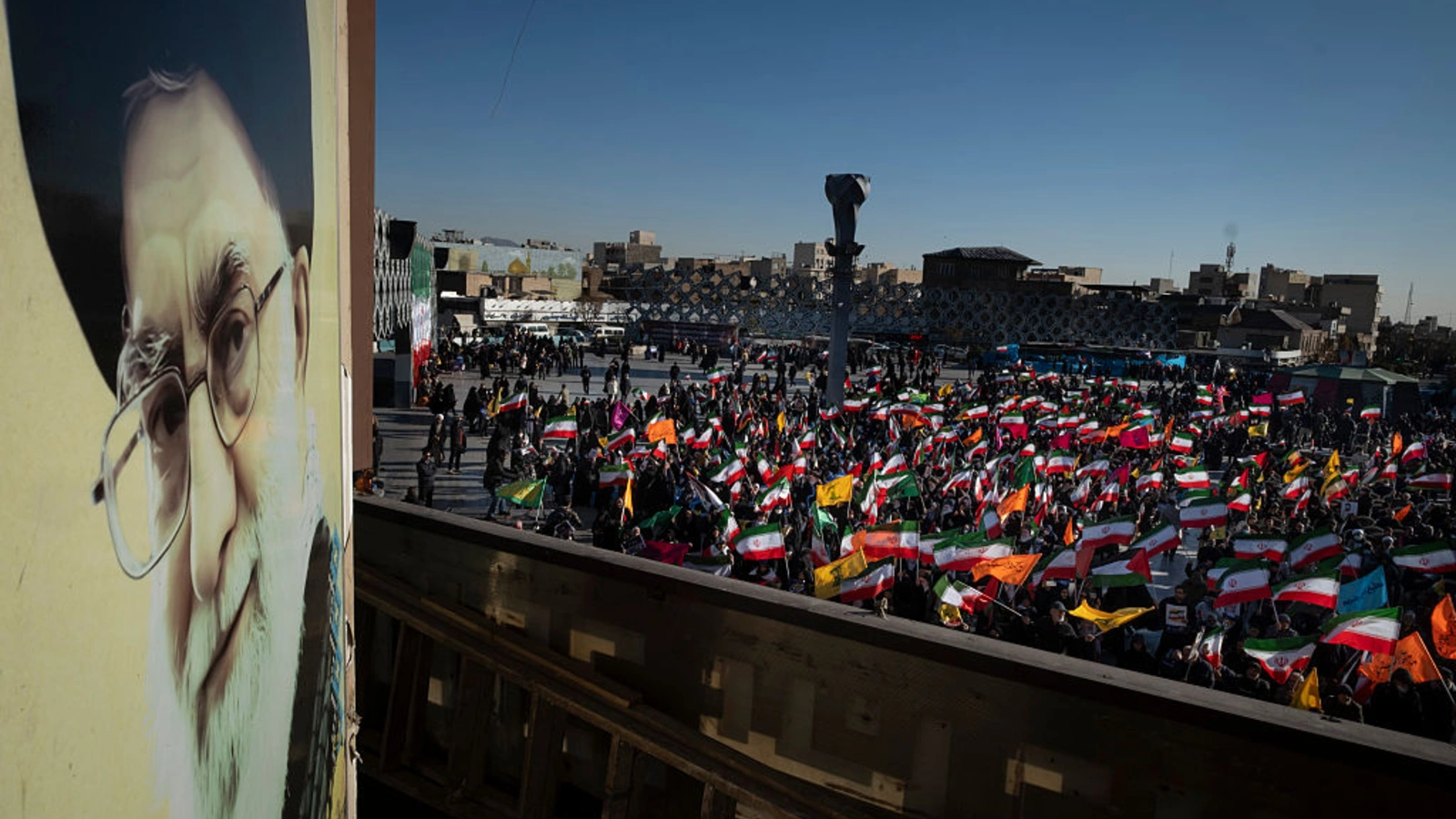
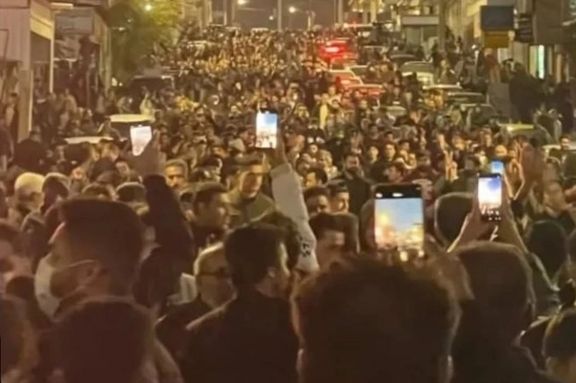
Large anti-government protests have broken out in Tehran and several other cities across Iran, marking one of the most significant waves of public unrest in recent months. Demonstrators gathered in major urban centres, chanting slogans against the authorities and voicing frustration over economic conditions, governance issues, and restrictions on civil freedoms. The protests reflect deep-seated discontent that has been building within Iranian society amid persistent economic pressures and political tensions.
In Tehran, crowds assembled in prominent public areas, drawing a visible security presence. Similar demonstrations were reported in cities including Isfahan, Shiraz, Mashhad, and Tabriz, indicating that the unrest is not confined to the capital alone. Protesters expressed anger over rising inflation, unemployment, and the declining purchasing power of ordinary citizens. Many also criticised what they see as a lack of accountability and transparency in governance.
Iran has faced prolonged economic strain, exacerbated by international sanctions, currency depreciation, and structural challenges within the economy. These pressures have had a direct impact on daily life, particularly for young people and low-income households. Analysts note that such conditions often act as a catalyst for public protests, especially when combined with broader political and social grievances.
The demonstrations reportedly included chants calling for political change, as well as demands for improved living standards and greater personal freedoms. While the protests appeared largely peaceful, authorities moved quickly to deploy police and security forces to control gatherings and prevent their spread. In previous instances, Iranian officials have blamed unrest on external influences, while protestors insist their grievances are rooted in domestic realities.
Internet disruptions and restrictions on social media platforms were also reported in some areas, a measure that has been used in the past to limit communication and organisation among demonstrators. Rights groups have repeatedly criticised such actions, arguing that they restrict access to information and freedom of expression during periods of unrest.
Iran has witnessed several waves of protests over the past decade, often triggered by fuel price hikes, economic policy changes, or incidents involving alleged rights violations. While some movements have subsided after brief periods, others have led to prolonged confrontations between protesters and the state. Observers say the current protests demonstrate continued public frustration and a willingness among citizens to voice dissent despite potential risks.
The government has not immediately issued a detailed public response, though state media acknowledged “gatherings” in certain cities. Officials are expected to emphasise stability and security while warning against what they describe as unlawful demonstrations. How the authorities choose to respond in the coming days may determine whether the protests intensify or gradually disperse.
For the international community, the developments are being closely watched due to Iran’s strategic importance in the Middle East. Sustained unrest could have implications not only for domestic politics but also for regional stability. As the situation continues to evolve, the protests underscore the ongoing challenges facing Iran’s leadership amid economic hardship and rising public expectations for change.
Note: Content and images are for informational use only. For any concerns, contact us at info@rajasthaninews.com.

Previous Post

Next Post
"Peter Dutton Affirm...
Related Post