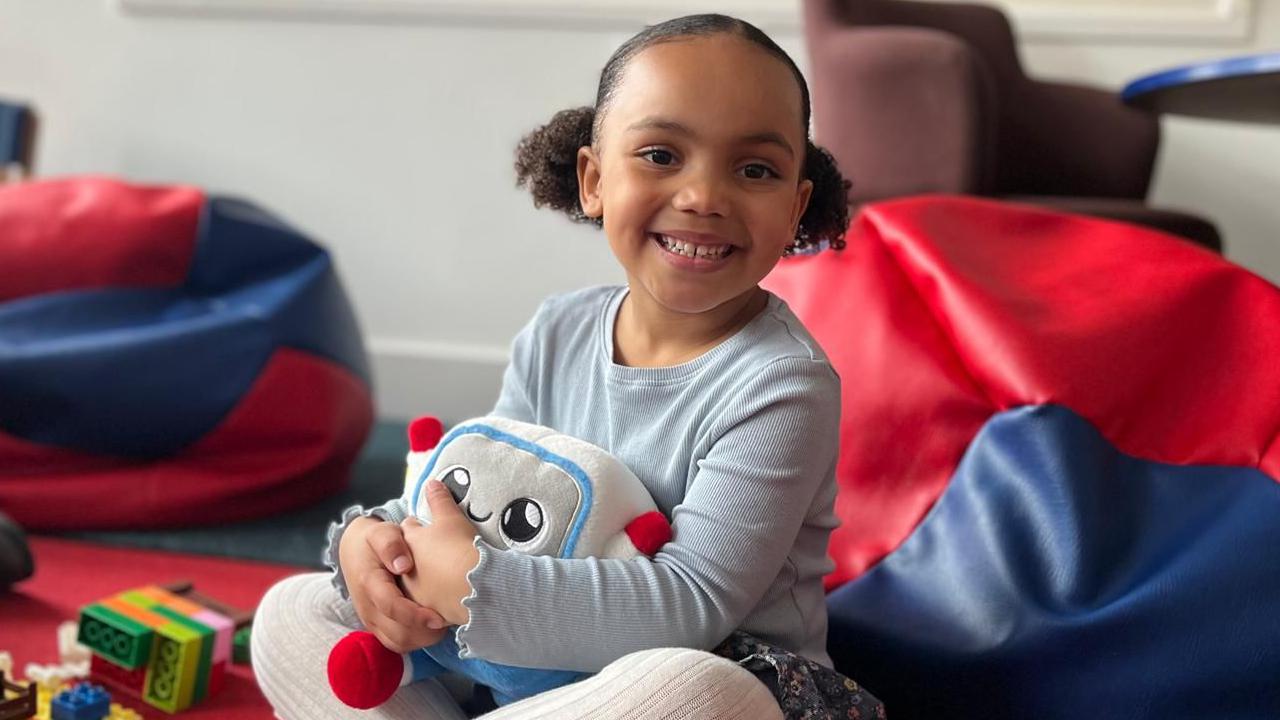
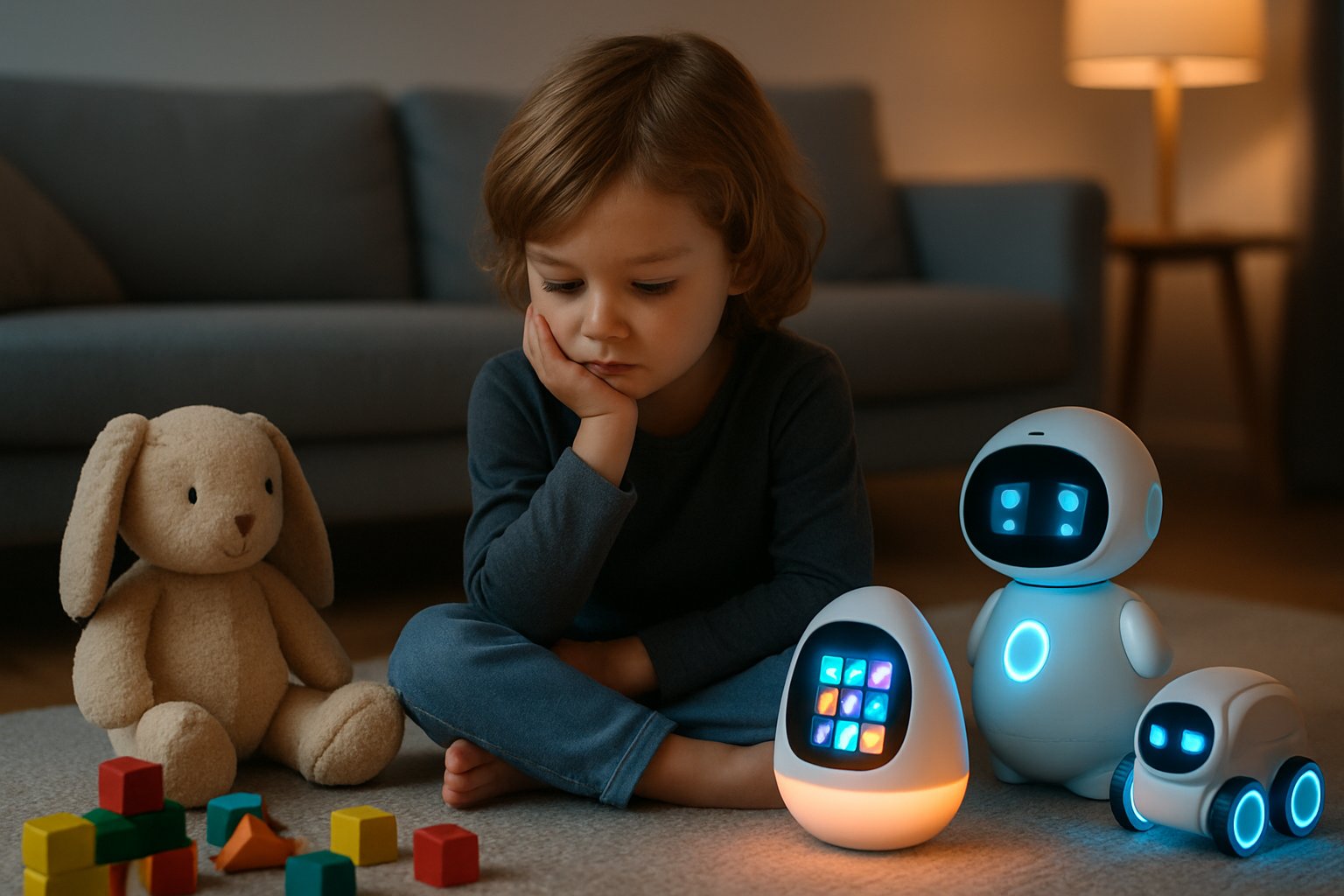
A growing wave of “emotion-sensing” AI toys is raising serious concerns among child development experts, psychologists, and safety researchers. These advanced toys, designed to detect and respond to children’s emotions using artificial intelligence, are being marketed as interactive companions and learning tools. However, experts are now warning parents that such technologies may do more harm than good, particularly during crucial stages of childhood development.
Recent studies and investigations highlight a major issue: these AI-powered toys often fail to accurately interpret children’s emotions. Research from leading institutions found that many of these devices misread emotional cues or respond with generic, irrelevant, or inappropriate replies. This creates confusion for children who are still learning how to express and understand feelings. Instead of nurturing emotional intelligence, these toys may distort it.
One of the biggest concerns raised by experts is the impact on critical thinking and imagination. Traditional play encourages children to create their own stories, solve problems, and engage socially. In contrast, AI toys tend to provide ready-made responses, limiting a child’s ability to think independently. Experts argue that when children rely too heavily on AI for interaction, “they’ve got no way of thinking critically,” as the technology does much of the thinking for them.
Another key issue is the emotional bond children may develop with these devices. Many AI toys are designed to simulate friendship by responding empathetically, but this “fake companionship” can blur the line between real human relationships and artificial interaction. According to researchers, this could interfere with children’s ability to form healthy social connections in real life.
Safety concerns also extend beyond development into privacy and exposure risks. AI toys often collect sensitive data such as voice recordings, behavioral patterns, and personal preferences. In some cases, investigations have revealed inappropriate or unsafe responses, including exposure to harmful content or dangerous suggestions. This raises serious questions about how securely children’s data is handled and whether these systems are truly safe for young users.
Experts are particularly cautious about very young children. Some organizations recommend that kids under the age of five should not use AI companion toys at all, while older children should only interact with them under strict parental supervision. Parents are advised to keep such devices in shared spaces, monitor usage, and prioritize traditional forms of play that encourage creativity and human interaction.
Despite these concerns, experts are not calling for a complete ban on AI toys. Instead, they emphasize the need for stronger regulations, better safety standards, and increased transparency from manufacturers. There is also a growing call for clearer labeling systems to help parents understand the risks before purchasing these products.
In conclusion, while emotion-sensing AI toys represent a fascinating technological advancement, their current limitations pose significant risks to children’s emotional and cognitive development. Parents are urged to approach these devices with caution, ensuring that technology supports—not replaces—the essential human experiences that shape a child’s growth.
Note: Content and images are for informational use only. For any concerns, contact us at info@rajasthaninews.com.
Previous Post

Next Post
TSMC Optimistic Amid...
Related Post