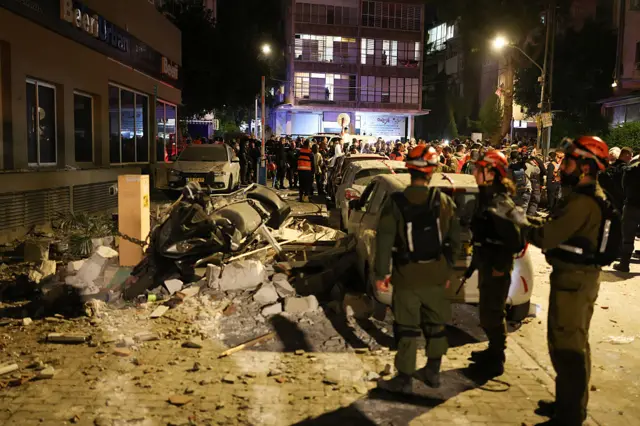
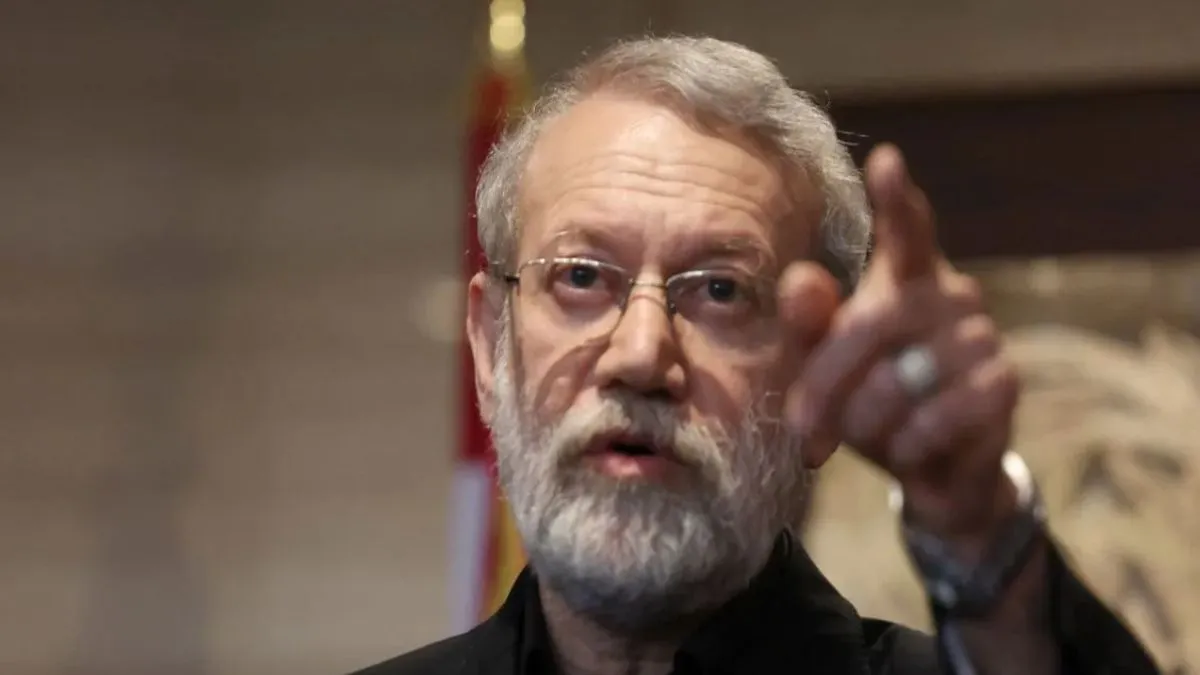
The assassination of Ali Larijani, one of Iran’s most powerful security officials, marks a dramatic escalation in the ongoing conflict between Iran and Israel. Iranian authorities have confirmed that Larijani was killed in a targeted airstrike in Tehran, an operation widely attributed to Israeli forces, with alleged involvement or support from the United States.
According to reports, Larijani—who served as the head of Iran’s Supreme National Security Council—was among the highest-ranking officials killed since the intensification of hostilities in 2026. His death represents a significant blow to Iran’s leadership structure, especially following the earlier assassination of senior figures during the conflict. Analysts suggest that this strike demonstrates deep intelligence penetration and precision targeting capabilities by Israel within Iranian territory.
Larijani was not only a political heavyweight but also a key strategist in Iran’s security and foreign policy. Over the years, he held multiple influential roles, including parliament speaker and nuclear negotiator. His influence extended across both political and military domains, making him a central figure in shaping Iran’s response to international pressure and regional conflicts.
In the immediate aftermath of the strike, Iran issued a strong warning, vowing a “decisive, deterrent, and regretful” retaliation against both Israel and the United States. The Iranian military and leadership have signaled that the response could be significant, raising fears of a broader regional war. Already, reports indicate that Iran has launched missile and drone attacks targeting Israeli positions and other regional sites, further escalating tensions.
The killing of Larijani comes amid a wider campaign of targeted strikes against Iran’s top leadership. This strategy appears aimed at weakening Iran’s command structure and limiting its ability to coordinate military and political actions. However, experts warn that such actions could have the opposite effect, provoking stronger retaliation and deepening instability across the Middle East.
Global reactions have been mixed, with some countries calling for restraint and de-escalation, while others closely monitor the situation due to its potential impact on global security and energy markets. The conflict has already disrupted key trade routes, including concerns around the Strait of Hormuz, a vital passage for global oil supply.
The assassination also raises critical questions about the future of Iran’s leadership and its strategic direction. With multiple senior figures eliminated in a short span, the country faces internal challenges alongside external threats. At the same time, the risk of direct confrontation between Iran, Israel, and potentially the United States continues to grow.
In conclusion, the killing of Ali Larijani is not just an isolated incident but a pivotal moment in an escalating geopolitical crisis. As Iran prepares its response, the world watches closely, aware that the consequences of this conflict could extend far beyond the region, shaping global politics, security, and economic stability in the months ahead.
Note: Content and images are for informational use only. For any concerns, contact us at info@rajasthaninews.com.

Previous Post

Next Post
"Peter Dutton Affirm...
Related Post